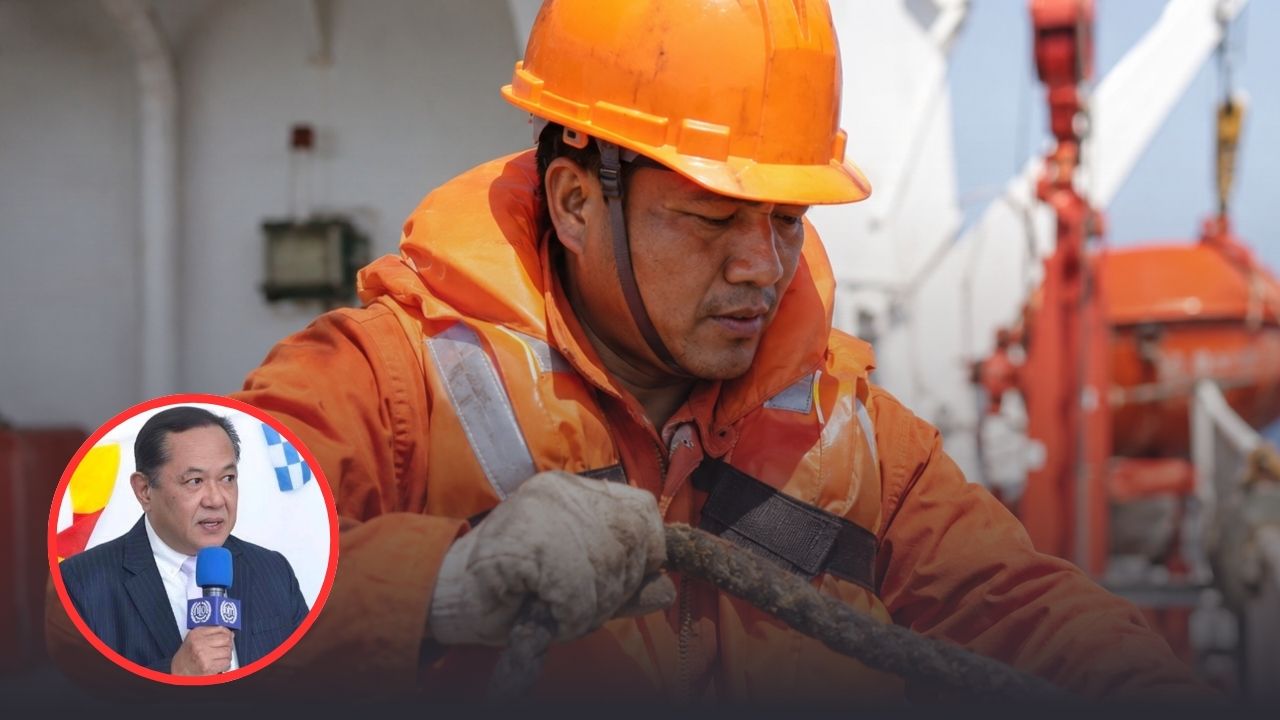
GENEVA: The Philippines has called for stronger and more responsive protection for seafarers as new maritime risks continue to affect workers at sea.
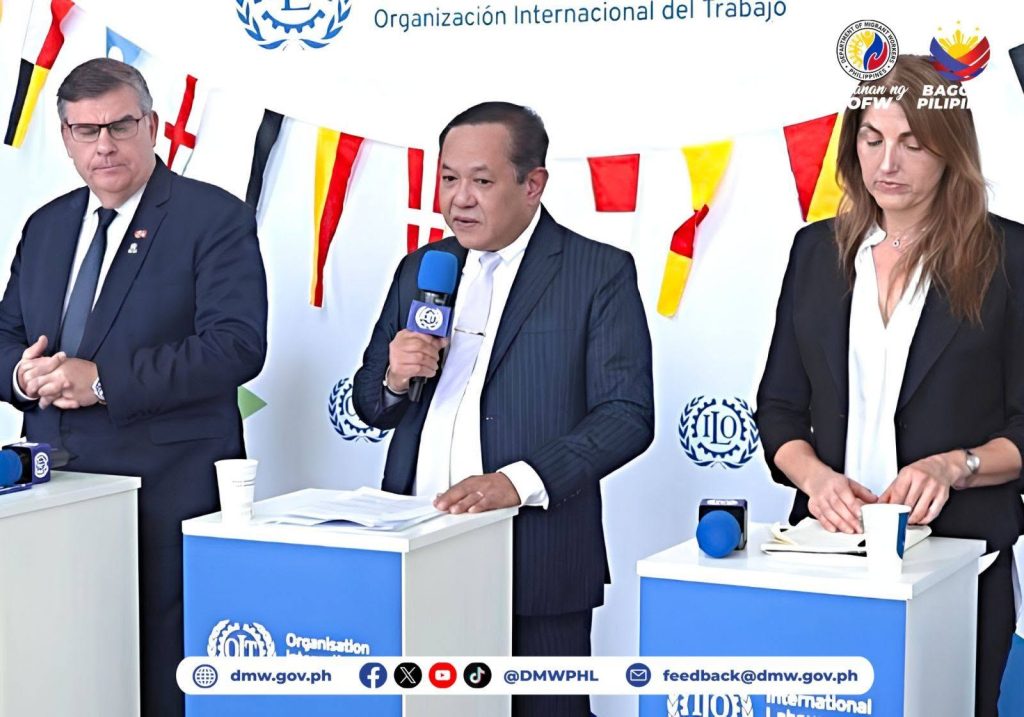
The call was made during the “ILC Lunch Conversation” held on June 8, 2026, in Geneva, Switzerland.
The event was held on the sidelines of the 114th Session of the International Labor Conference.
Contents
Maritime Rules Must Keep Up With New Risks
The discussion reviewed the gains of the Maritime Labour Convention, 2006, almost 20 years after it was adopted.
It also focused on growing dangers faced by seafarers today.
Department of Migrant Workers Undersecretary Jainal T. Rasul, Jr. said the convention must continue to evolve because seafarers now face threats that go beyond regular work conditions.
These include armed conflict, war, piracy, and other crises that may put their lives, safety, and well-being at risk.
Protection rules must match the real dangers seafarers face while doing their jobs far from home.
Filipino Seafarers Remain Key to Global Shipping
Rasul also highlighted the Philippines’ strong role in shaping the future of maritime labor standards.
He noted that Filipino seafarers make up about one-fourth of the global maritime workforce.
This means many ships and global trade routes depend on Filipino workers.
Because of this, the Philippines continues to push for fair, safe, and humane working conditions in the maritime industry.
PH Reforms Cited Before ILO Audience
The DMW official said the Philippine government is strengthening protection for seafarers under the direction of President Ferdinand R. Marcos Jr.
Among the reforms mentioned were the Magna Carta of Filipino Seafarers and the Manila Declaration on Seafarers’ Human Rights, Safety and Well-being.
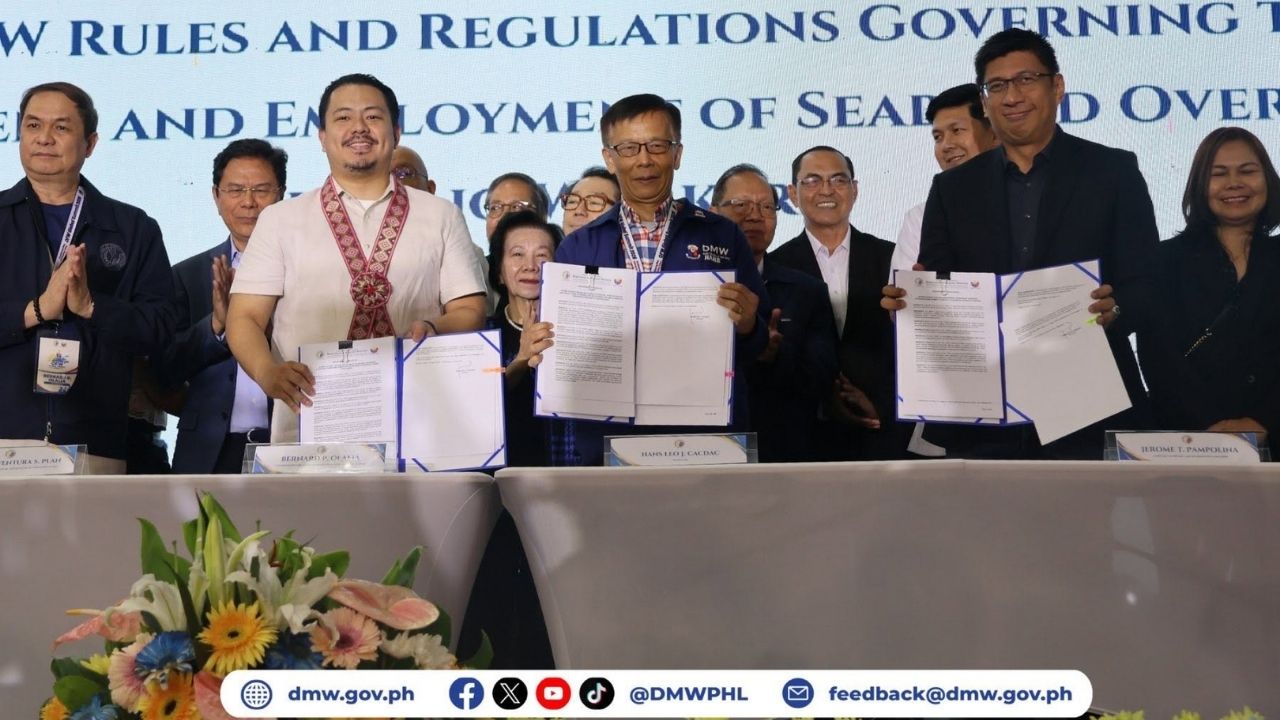
He also cited the new DMW rules and regulations covering the employment of sea-based Filipino workers.
The government is also updating standard employment contracts for seafarers and fishers.
These reforms aim to give clearer protection, better welfare support, and stronger safeguards for Filipino maritime workers.