The Philippine government is stepping up efforts to improve support for overseas Filipinos after the Department of Migrant Workers and the Commission on Filipinos Overseas signed a new data-sharing agreement aimed at strengthening protection and services for Filipinos abroad.
The agreement, signed by DMW Secretary Hans Leo J. Cacdac and CFO Secretary Dante “Klink” Ang II, focuses on producing more accurate and reliable migration data. This move is expected to directly benefit overseas Filipino workers and overseas Filipinos, especially those based in the Middle East, including the United Arab Emirates.
Under the partnership, both agencies will exchange relevant information to build a stronger and more unified database of Filipinos living and working overseas.
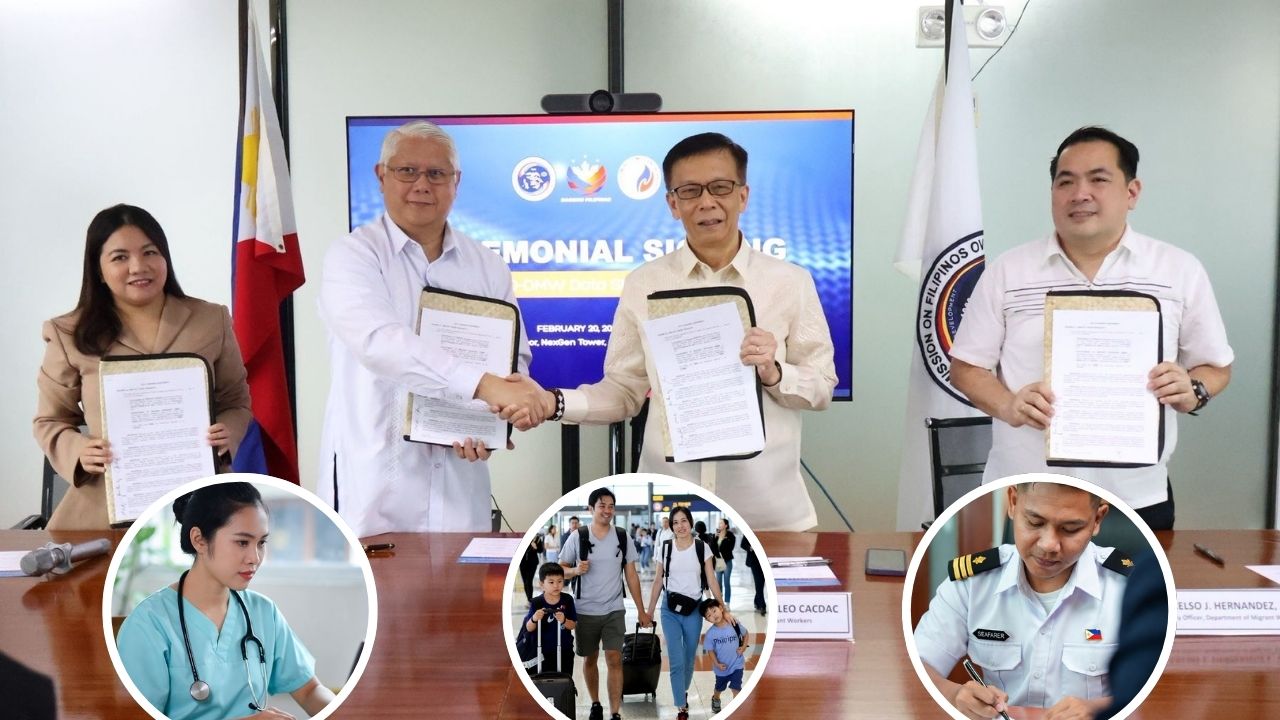
What Is the Difference Between OFWs and OFs?
The agreement covers two key groups:
-
Overseas Filipino Workers (OFWs) – Filipinos working abroad on temporary or contractual jobs
-
Overseas Filipinos (OFs) – Permanent residents or dual citizens living in another country
By clearly identifying and tracking these groups, the government can create more targeted programs instead of one-size-fits-all solutions.
How This Directly Helps OFWs
For workers in countries such as the UAE, Saudi Arabia, Qatar, and other major destinations, better data sharing can translate into real improvements, including:
-
Faster verification of employment records
-
Quicker response during emergencies
-
More coordinated welfare and legal assistance
-
Reduced duplication of documents across agencies
-
Improved reintegration and livelihood programs when returning home
In the past, gaps between agency records sometimes caused delays in processing assistance or updating worker information. A unified digital system helps close those gaps.
Secretary Cacdac said the partnership addresses gray areas that previously slowed down support for overseas Filipinos and their families. Secretary Ang described it as a milestone toward building a unified migration database that can guide smarter policies.
Beyond paperwork, the goal is empowerment. With reliable data, the government can better identify trends, risks, and urgent needs faced by Filipinos abroad.
For millions of OFWs and OFs, especially in the Middle East, this digital integration signals a shift toward faster service, stronger protection, and more responsive government support.