PHILIPPINES: The Department of Migrant Workers has pushed back against online claims suggesting that the United Arab Emirates alone facilitated the return of overseas Filipino workers stranded during the ongoing Middle East tensions.
Government officials said the circulating social media posts incorrectly portrayed the Philippine government as absent from the repatriation efforts.
In light of this, the DMW underscored that the recent repatriation of Filipinos from the UAE was the result of coordinated efforts between UAE authorities and the Philippine government.
The agency emphasized that while the UAE extended assistance to affected individuals, the Philippine government also provided pre‑repatriation coordination, documentation support, and post‑arrival assistance, countering claims that the UAE acted alone in facilitating their return.
Contents
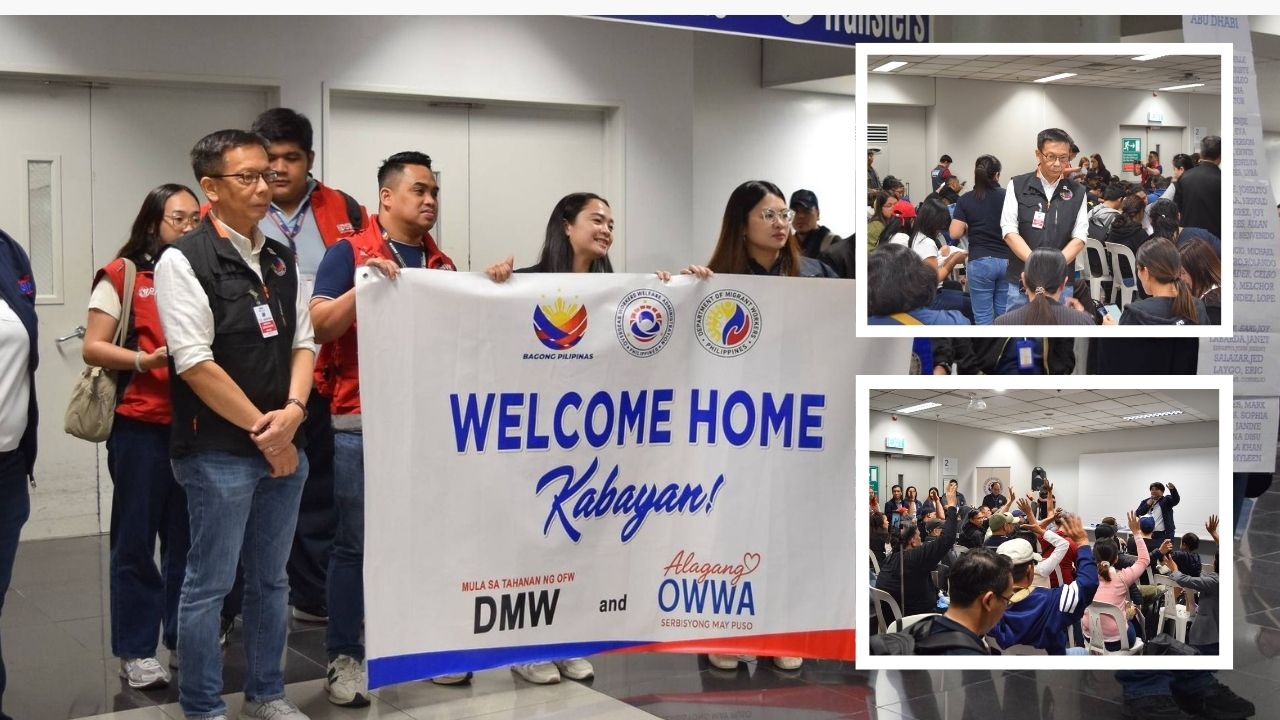
Philippine Government Involved in Repatriation Process
DMW Secretary Hans Leo Cacdac and Overseas Workers Welfare Administration Administrator Patricia Yvonne Caunan confirmed that Filipino workers were among the passengers on Emirates flight EK334, which departed from Dubai.
A total of 90 overseas Filipino workers were on board the flight, along with other Filipino nationals. Out of that group, 33 passengers received direct assistance from the Philippine government to support their return to the country.
Officials said this support forms part of a broader government response designed to help Filipino workers affected by disruptions in the region.
The DMW stressed that government involvement extends beyond simply booking flights.
Support Provided Before and After Repatriation
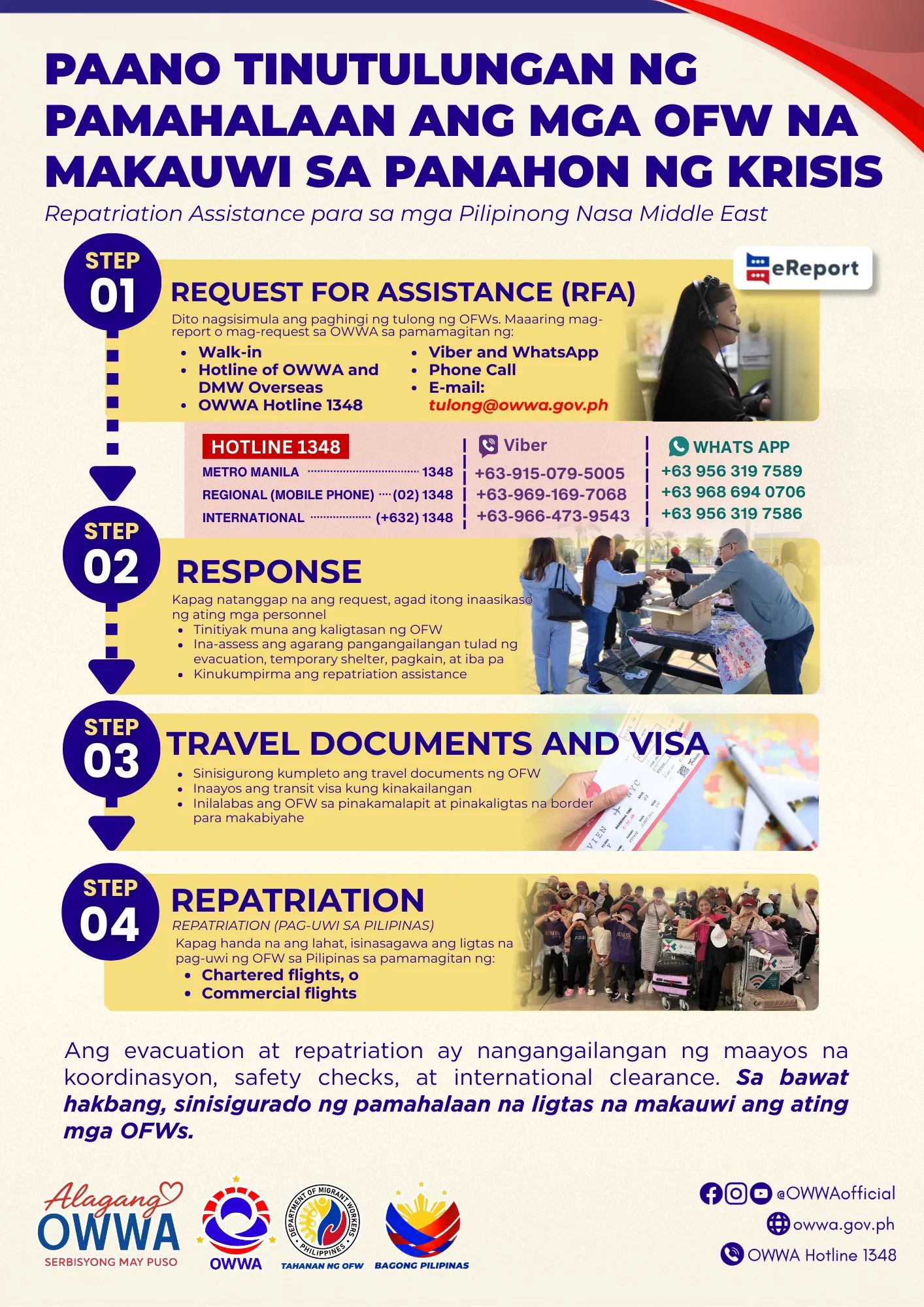
According to the agency, repatriation operations include pre-departure assistance, coordination with foreign authorities, and post-arrival support once workers return to the Philippines.
These services can include financial assistance, transportation support, and coordination with other government agencies that help returning workers restart their lives.
The department noted that the Philippine government continues to work closely with partner countries and local authorities to ensure Filipinos overseas can safely return home if needed.
Hundreds of Filipinos Already Repatriated
Since repatriation operations began on March 5, around 400 overseas Filipino workers and their dependents have already been brought back to the Philippines.
The returning groups arrived on several flights over the past few days as authorities worked around limited flight availability in the region.
Officials said airspace closures and airport restrictions across parts of the Gulf remain the biggest logistical challenge in the ongoing repatriation effort.
To address these issues, the DMW has also identified possible overland exit routes for Filipinos in countries where commercial flights remain unavailable.
These contingency plans aim to ensure that overseas Filipino workers have alternative travel options if conditions in the region change.
The Philippine government said it will continue monitoring developments in the Middle East while coordinating with foreign partners to assist Filipinos affected by the situation.