PHILIPPINES: A new study says overseas Filipino workers judge the government not by its policies, but by how fast and visible its help is during emergencies like evacuation or repatriation.
The research, called “From Economic Importance to Leadership Readiness,” was released by Filipino research group The Fourth Wall. It looked at how OFWs see government support when problems happen abroad, especially in regions with many Filipino workers such as the Middle East.
Contents
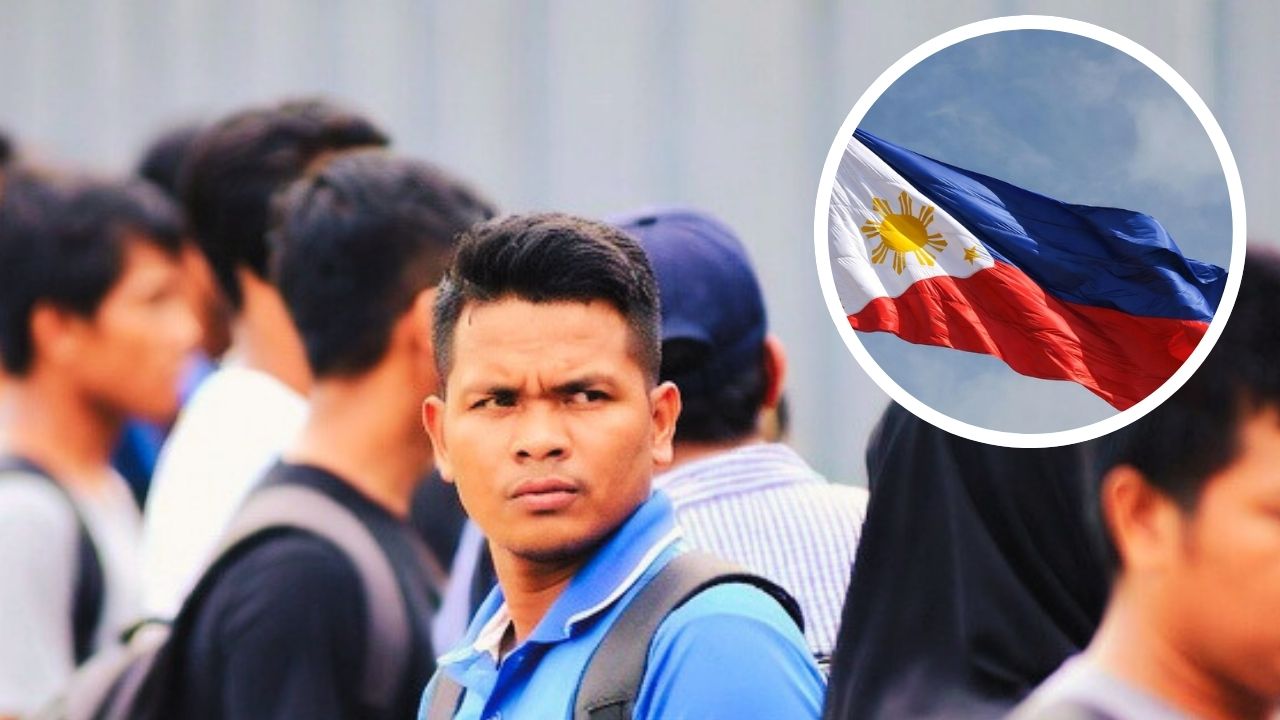
OFWs care more about service than policies
According to the study, most migrant workers do not think about laws or government programs when they need help.
Instead, they judge the government by how well services work in real life.
OFWs pay attention to things like:
-
How fast documents are processed
-
Whether government hotlines answer calls
-
How well agencies work together
-
How quickly help arrives during emergencies
“When documents are delayed or hotlines do not respond, OFWs do not think about complicated policies. They look at their leaders and ask why help is slow,” said John Brylle L. Bae, research director of The Fourth Wall.
The study says the quality of service shows OFWs how serious the government is about helping them.
Leadership matters most during crises
The study also found that OFWs pay closer attention to leadership during dangerous situations.
This includes times of conflict, evacuation, or mass repatriation.
When problems happen abroad, OFWs expect leaders to act quickly and show clear action.
Workers often look for signs that their government is helping, such as:
-
Repatriation flights
-
Emergency assistance
-
Quick coordination among embassies and agencies
The research says leadership plays a key role in making sure different agencies work together to protect Filipino workers overseas.
OFWs remain vital to the economy
Data from the Bangko Sentral ng Pilipinas (BSP) shows that OFWs sent home USD35.63 billion in remittances in 2025.
This amount equals about 7.3 percent of the Philippines’ economy.
Because of this large contribution, the study says the government must make sure its support systems work properly and respond quickly.
What the study suggests
Instead of creating new agencies, the research recommends improving existing systems.
These include:
-
Faster processing of documents
-
Better coordination among government offices
-
Hotlines and help desks that respond quickly
-
Stronger support for OFWs returning home
The study says migration is now a permanent part of the Philippine economy, and strong leadership is needed to make sure OFWs receive the protection and support they need abroad.