UAE residents will now receive banking alerts directly inside their mobile banking apps, following the rollout of a new rule that removes the need for one-time passwords (OTPs) sent through SMS for certain transactions.
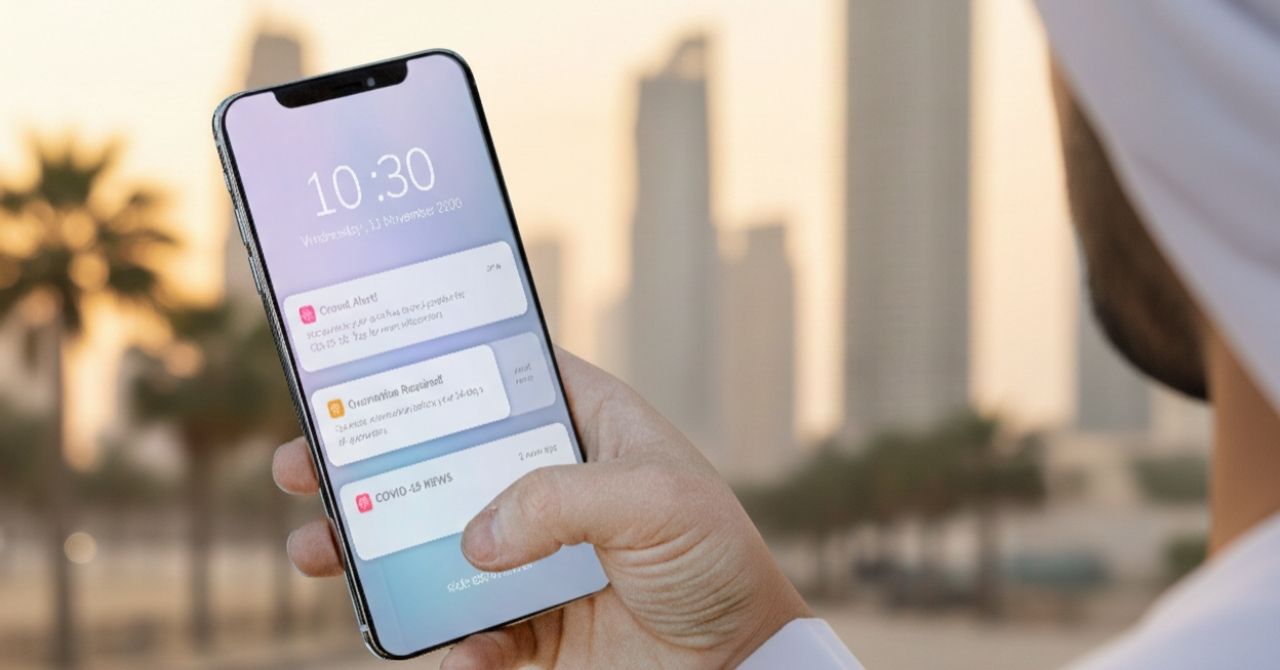
The change is part of a wider move to improve digital security and reduce fraud across the country’s banking system. Instead of waiting for an SMS code, customers will approve or review transactions using secure in-app notifications from their banks.
Contents
What Changed Under the New Rule
Under the updated system, banks will rely more on:
- In-app alerts and confirmations
- Biometric verification such as fingerprint or face ID
- Secure app-based approvals
This means fewer SMS messages with OTP codes and more actions handled directly inside official banking apps.
The rule is designed to reduce risks linked to SMS-based fraud, including SIM-swap scams and phishing attacks, which have affected residents in recent years.
Why Banks Are Moving Away From OTPs
SMS-based OTPs have long been a common security tool, but they also come with weaknesses. Fraudsters can sometimes intercept messages or trick users into sharing codes.
By shifting to app-based alerts, banks can:
- Verify that the action is coming from the correct device
- Use built-in security layers inside the app
- Respond faster to suspicious activity
For residents, this adds an extra layer of protection without adding more steps.
What This Means for Filipino Residents in the UAE
Many Filipinos in the UAE rely heavily on mobile banking for:
- Salary access
- Remittances to the Philippines
- Bill payments and daily expenses
With the new rule, users are expected to:
- Keep their banking apps updated
- Enable notifications on their phones
- Ensure their registered mobile number and email are active
For OFWs who regularly change SIM cards or use dual SIM phones, this update may actually reduce hassle, since fewer transactions will depend on SMS delivery.
What Residents Should Do Now
Banks have advised customers to take a few simple steps:
- Update the mobile banking app to the latest version
- Turn on app notifications and biometric login
- Avoid sharing login details or approval requests
Residents who do not use smartphones or prefer basic phones may still have alternative verification methods, depending on their bank’s policy.
A Bigger Push for Digital Safety
The UAE has been steadily strengthening digital banking rules to match the country’s rapid shift to cashless payments. This latest move aligns with broader efforts to protect residents as more services move online.
While the change may feel unfamiliar at first, banks say it will make transactions smoother and safer in the long run.
Looking Ahead
As digital banking continues to evolve, residents can expect more changes focused on security and convenience. For Filipinos in the UAE, staying informed and keeping banking apps updated will be key to avoiding disruptions.
Customers are encouraged to check official notices from their banks for details on how the new in-app alert system works and which transactions are covered.