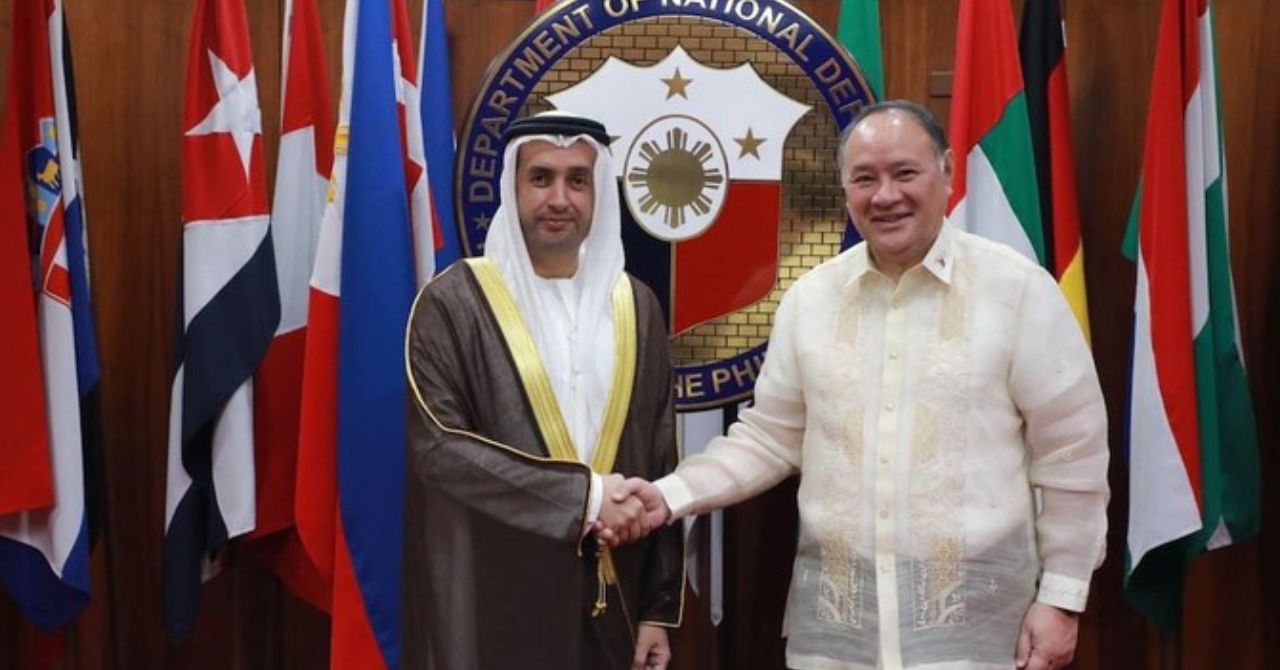
The Philippines and the United Arab Emirates have signed a new defense cooperation agreement, marking another step in the deepening relationship between the two countries. While the agreement focuses on security and defense collaboration, its wider impact could be felt far beyond military circles, especially by Filipinos living and working in the UAE.
According to a report by the Philippine News Agency, the agreement was formalized as part of ongoing efforts to strengthen bilateral ties between Manila and Abu Dhabi. Officials from both sides described the pact as a move toward closer cooperation, dialogue, and long-term partnership.
For overseas Filipino workers, this development signals something important. Stronger government-to-government ties often lead to better coordination on labor protection, consular services, and community support.
Contents
What the Defense Agreement Covers
The defense cooperation agreement aims to improve collaboration between the Philippines and the UAE in areas related to security, capacity building, and institutional exchange. While the PNA report does not detail operational specifics, such agreements typically focus on:
- Dialogue between defense institutions
- Exchange of best practices and expertise
- Training and cooperation initiatives
- Strengthening mutual trust and coordination
Officials emphasized that the agreement supports broader diplomatic and strategic relations, not just military engagement.
Why This Matters Beyond Defense
At first glance, defense agreements may seem distant from the daily lives of OFWs. But in reality, these pacts often serve as foundations for stronger overall diplomatic relations.
When countries build trust at the defense and security level, it becomes easier to cooperate in other areas such as:
- Labor and employment protection
- Crisis response and emergency coordination
- Migration and mobility concerns
- Support for overseas communities
For Filipinos in the UAE, this can translate into:
– smoother government coordination during emergencies,
– stronger embassy engagement, and
– more responsive bilateral communication.
A Sign of Growing Philippines–UAE Relations
The defense pact is part of a broader pattern of closer ties between the Philippines and the UAE. In recent years, both countries have expanded cooperation in trade, investment, labor, and people-to-people exchanges.
The UAE hosts a large and active Filipino community, made up of professionals, service workers, healthcare staff, engineers, and skilled laborers. Because of this, Manila has a strong interest in maintaining a stable and cooperative relationship with Emirati authorities.
This agreement reinforces that commitment.
What This Could Mean for OFWs in the UAE
While the defense agreement does not directly change labor rules or visa policies, it creates a positive environment for future cooperation that affects OFWs.
Possible long-term effects include:
- Stronger government coordination during regional or global crises
- Better information sharing that supports migrant safety
- Increased diplomatic leverage when addressing OFW concerns
- Improved channels between Philippine missions and UAE authorities
In times of emergency, whether health-related, security-related, or geopolitical, countries with strong defense and diplomatic ties tend to respond more efficiently together.
Support for Filipino Communities Abroad
The PNA report highlights that the agreement reflects mutual respect and shared interests between the two nations. For Filipinos abroad, this matters because government relationships influence how quickly and effectively support can be mobilized.
Filipino communities in the UAE often rely on:
- Embassy and consulate assistance
- Coordination during large-scale events or disruptions
- Clear communication from both governments
Strong bilateral ties help ensure that Filipino concerns are addressed at higher levels, not just through individual cases.
Part of a Bigger Diplomatic Strategy
The defense cooperation agreement also fits into the Philippines’ wider foreign policy approach of strengthening ties with key partners in the Middle East.
The UAE plays an important role in:
- Regional stability
- Energy and economic cooperation
- Hosting large overseas communities
By formalizing defense cooperation, the Philippines positions itself as a reliable partner while also protecting the interests of Filipinos working abroad.
What OFWs Should and Should Not Expect
It is important to be clear about what this agreement does and does not do.
What it does:
- Strengthens diplomatic and institutional ties
- Improves cooperation at the government level
- Supports long-term partnership
What it does not do:
- Change labor laws overnight
- Automatically affect salaries or contracts
- Replace existing labor agreements
Any changes related to labor, visas, or worker protection would still require separate agreements or policy announcements.
Why This News Is Still Worth Watching
Even without immediate policy changes, this agreement is worth attention because it sets the tone for future cooperation.
Historically, strong defense and diplomatic ties often lead to:
- Follow-up agreements in labor and migration
- Expanded cooperation in education and training
- Increased government engagement with overseas communities
For Filipinos in the UAE, these developments suggest that their host country remains a priority in Philippine foreign policy.
Looking Ahead
The Philippines–UAE defense cooperation agreement is not just a symbolic gesture. It is part of a broader effort to build trust, stability, and partnership between two countries connected by people, work, and shared interests.
For OFWs, this means reassurance. It means that at the highest levels, both governments recognize the importance of cooperation and communication.
As relations continue to deepen, Filipinos in the UAE can expect continued engagement, stronger diplomatic presence, and more coordinated responses when it matters most.