The Abu Dhabi Judicial Department has begun rolling out facial recognition technology for notary transactions, becoming the first judicial authority in the region to use the system as an alternative to digital signatures.
The move is part of a broader effort to modernize legal services and improve accuracy, speed, and reliability in document authentication.
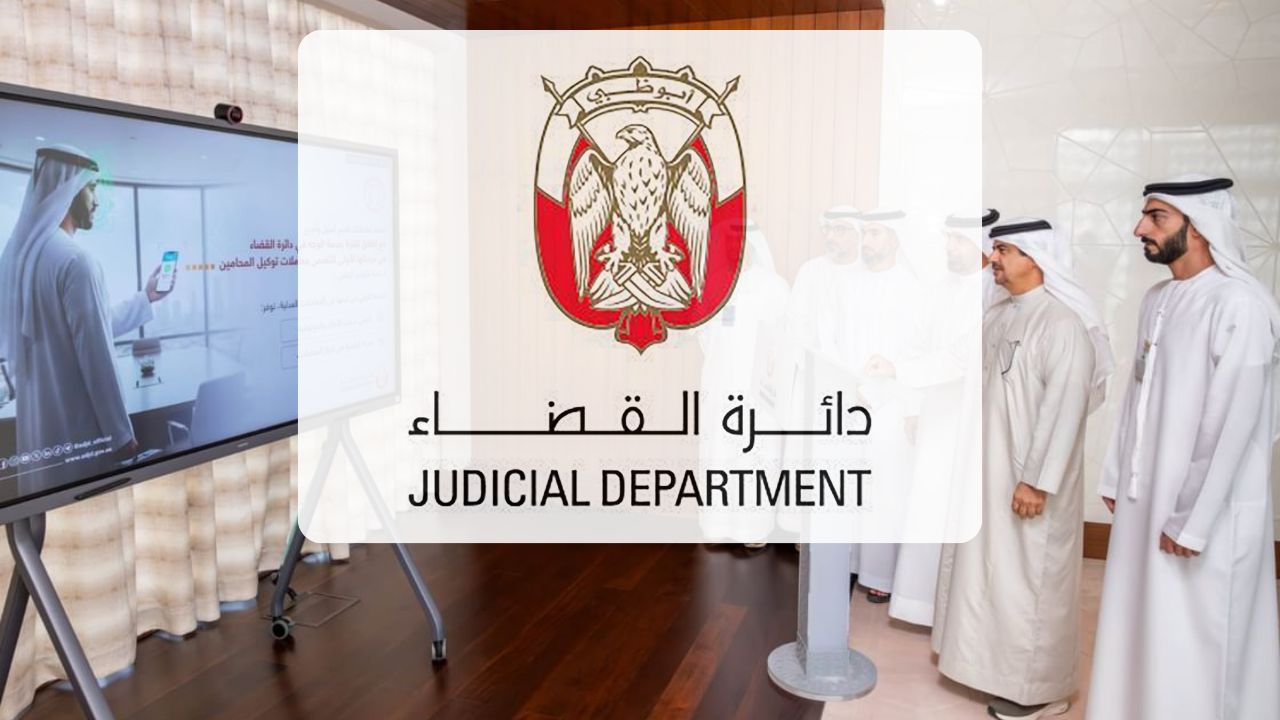
First Phase Focus: Powers of Attorney
The initial phase of the project applies to powers of attorney for lawyers. Under the new system, users can authenticate documents through smart devices using facial recognition, without the need for traditional digital signatures.
The system works by encrypting biometric data and instantly matching it with official records to verify identity. Once verified, the transaction can proceed in record time.
Officials say this reduces paperwork, shortens processing times, and limits the need for in-person visits.
Strategic Step Toward Digital Justice
Counsellor Yousef Saeed Al Abri, Undersecretary of ADJD, said the initiative reflects the vision of His Highness Mansour bin Zayed Al Nahyan, Vice President, Deputy Prime Minister, Chairman of the Presidential Court, and Chairman of ADJD.
He described the activation of facial recognition in notary services as a strategic shift toward future-ready judicial systems. The goal is to simplify the customer experience and reduce the time and effort required to complete official transactions.
Expansion Planned
The department confirmed that this is only the first stage. In the next phase, facial recognition will be expanded to additional notary and authentication services.
This signals a broader digital transformation within Abu Dhabi’s judicial framework, aligning with the UAE’s push for smart government services.