ABU DHABI, UAE: The Abu Dhabi government has launched a major plan to train 20,000 frontline workers as part of a nationwide effort to improve emergency response.
The program, backed by an annual budget of Dh100 million, was announced during the opening of the “Istijaba” National Emergency Response Forum. It aims to strengthen how the UAE handles crises such as accidents, disasters, and public health emergencies.
Contents
What sectors are included in the 20,000-person training plan?
The training will cover both healthcare and non-healthcare frontliners, including:
- Healthcare workers in hospitals and clinics
- Emergency medical services like ambulance teams
- Security personnel and response units
- Other key sectors involved in crisis response
This wide coverage ensures that different agencies can work together smoothly during emergencies.
How will the Dh100 million budget be used?
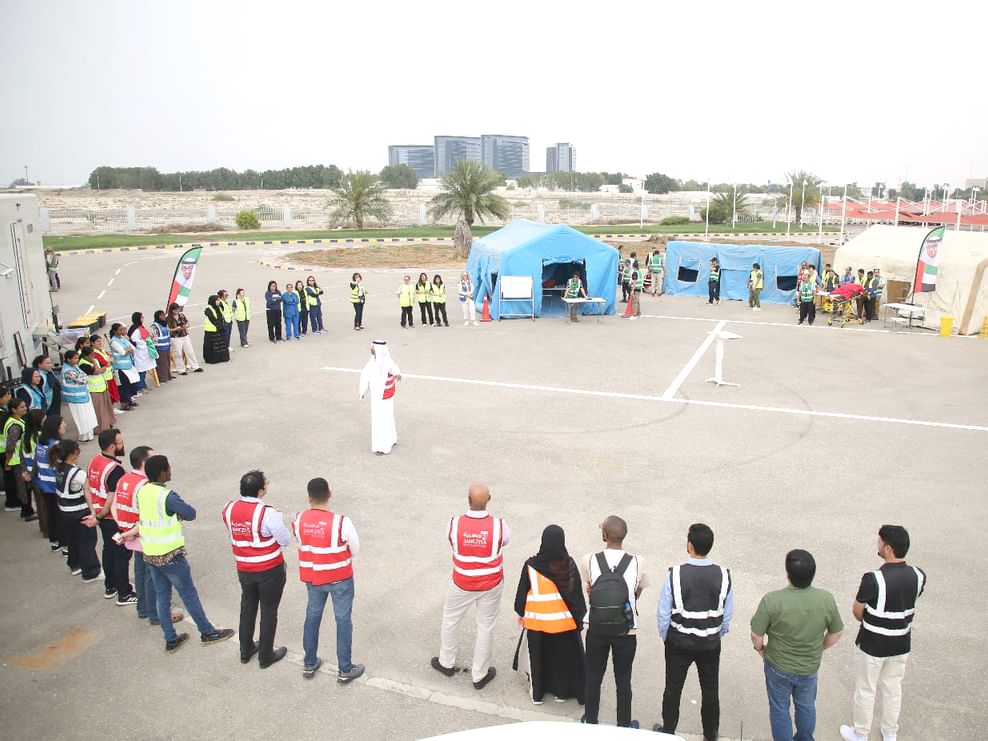
The Dh100 million yearly budget will support a full training system, including:
- Classroom and theoretical training
- Hands-on simulation exercises
- Multi-agency emergency drills
- Certification of trained personnel
- Development of qualified trainers
The program follows a unified and internationally accredited system, developed with global universities and training centers in the US and Europe.
This ensures that responders are trained using global standards, not just local practices.
Building a stronger emergency system
Officials say the goal is to create a proactive and integrated system.
This means:
- Responding faster to emergencies
- Reducing risks before they escalate
- Improving communication between teams
Experts also note that the UAE is becoming a global model in emergency preparedness due to its strong coordination and investment in training.