For many residents in the UAE, choosing where to live often comes down to one big question:
“How long will the daily commute take?”
This question has shaped housing decisions for years. Workers often pay higher rent to live closer to cities like Dubai and Abu Dhabi, just to avoid long and tiring travel times. But this long-standing reality may soon change as the country prepares for passenger services under Etihad Rail.
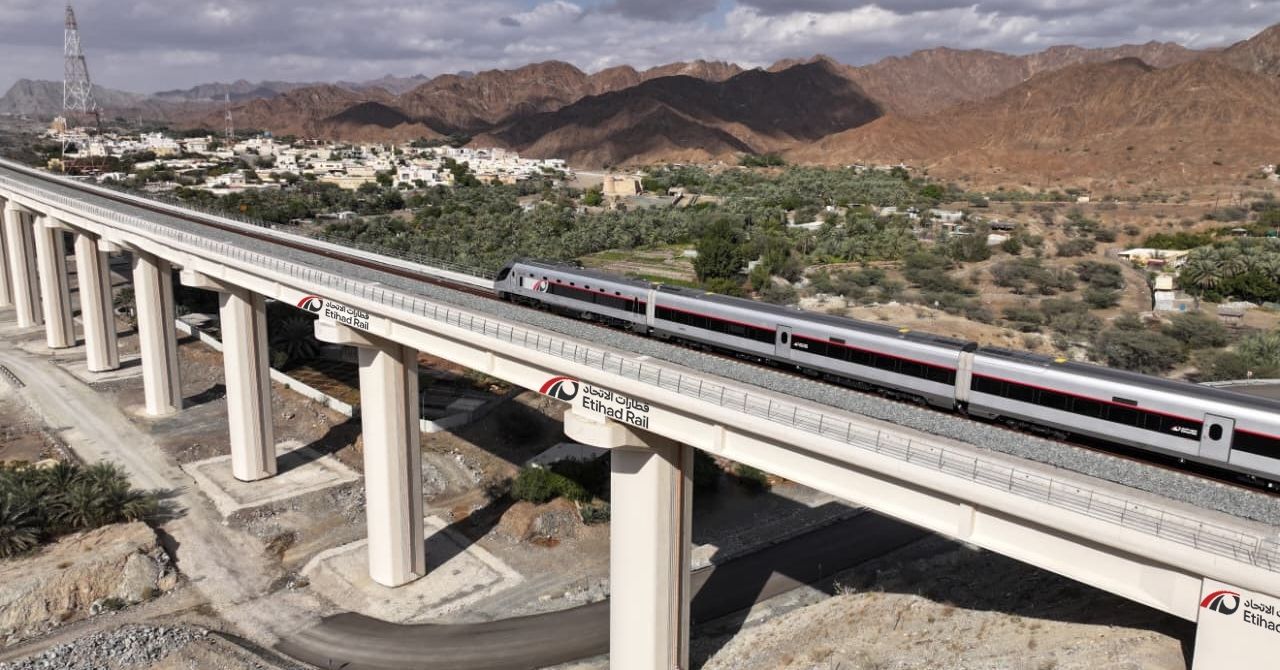
The national railway project is expected to connect major cities and regions across the UAE, and once passenger trains become fully operational, commuting patterns could look very different from what residents are used to today.
Contents
A Shift in How Distance Is Measured
At present, distance in the UAE is often measured in traffic hours, not kilometers. A place that looks close on the map may still take over an hour to reach during rush hour.
With Etihad Rail, that way of thinking could change.
Fast and reliable train connections could make it possible for residents to live farther from city centers while still enjoying predictable travel times. Areas that were once seen as “too far” may become realistic options for daily living.
For Filipino workers and families, this could open up new choices that balance cost, comfort, and time.
Why This Matters for Filipino Residents
Many Filipinos in the UAE work long hours and rely on careful budgeting. Housing is often one of the biggest monthly expenses, especially in major cities.
If train travel reduces the need to live close to central business districts, residents may be able to:
- Choose more affordable housing options
- Access larger living spaces for families
- Enjoy quieter communities away from city congestion
For OFWs supporting families both in the UAE and back home, even small savings on rent can make a big difference over time.
Beyond Rent: Quality of Life Changes
The impact of Etihad Rail is not just about money. It is also about time and energy.
A predictable commute allows residents to:
- Plan workdays better
- Reduce stress from traffic delays
- Spend more time with family or resting
For workers on shifting schedules or long shifts, a reliable transport system can significantly improve daily routines. This matters especially for essential workers, service staff, and professionals who rely on punctual travel.
New Communities May Become More Attractive
As rail connections expand, suburban and regional communities may see renewed interest. Areas that previously felt disconnected could become well-linked residential hubs.
This could lead to:
- New housing developments near train stations
- Growth of local businesses outside city centers
- More balanced population spread across the country
For families who prefer quieter neighborhoods or need more space for children, these developments could be appealing.
What We Know So Far
Etihad Rail has already made progress in freight operations across the UAE. Passenger services are expected to follow, connecting key emirates and cities once final systems and schedules are confirmed.
While exact routes and travel times for passengers are still being finalized, the goal is clear.
The railway aims to offer fast, efficient, and sustainable transport that supports national growth and daily life.
Officials and analysts expect that once passenger trains are available, commuting habits will gradually adjust as residents gain confidence in the system.
What Residents Should Keep in Mind
While the potential is promising, changes will not happen overnight.
Residents considering future housing moves should:
- Wait for confirmed passenger routes and timetables
- Consider access to stations when choosing new homes
- Factor in last-mile transport options like buses or taxis
Rail systems work best when they are part of a wider transport network. The full benefits will likely be felt as supporting services grow alongside the trains.
Looking Ahead
Etihad Rail represents more than a transport project. It signals a possible shift in how people live, work, and plan their futures in the UAE.
For Filipinos in the country, this could mean:
- More housing choices
- Better control over expenses
- A healthier work-life balance
As passenger services move closer to launch, many residents will begin to rethink a simple but important question.
Not just where do I work, but where do I want to live.