A milestone moment unfolded at the OFW Global Center in Hong Kong as overseas Filipino workers officially took their oath as licensed teachers after passing the licensure examination, marking the fulfillment of a long-held dream achieved while working far from home.
The oath taking ceremony recognized the success of Filipino migrant workers who balanced full time jobs with months of focused review and preparation. For three months, the OFW Global Center served as a second home for the examinees, hosting regular Sunday review sessions that supported their journey toward professional certification.
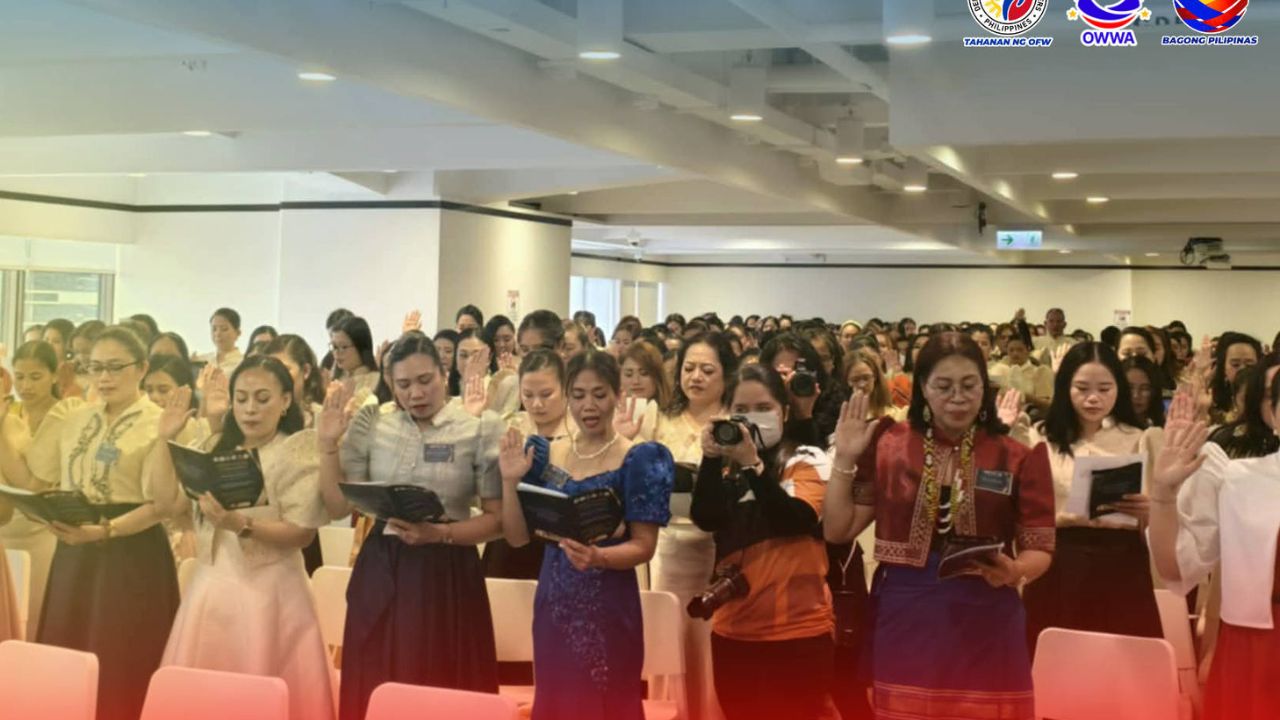
Managed by the Overseas Workers Welfare Administration Hong Kong, the center became a space of shared sacrifice and determination. It provided a structured and supportive environment where OFWs could pursue career advancement despite the demands of overseas employment.
The ceremony was led by Hans Leo J. Cacdac, Secretary of the Department of Migrant Workers, together with Patricia Yvonne M. Caunan, Administrator of OWWA. Both officials highlighted the importance of continuous skills development, career mobility, and clear reintegration pathways for overseas Filipino workers.
The OFW Global Center in Hong Kong has been positioned as more than a service hub. It also functions as a learning and development space where migrant workers can prepare for exams, attend training, and access guidance for long term career planning. The success of the newly licensed teachers reflects the impact of combining accessible facilities with targeted programs for migrant communities.
For many of the examinees, passing the licensure exam and taking their oath represented more than personal achievement. It symbolized perseverance and the possibility of shaping a more secure future for their families through professional advancement.
This development signals growing efforts by government agencies to support OFWs beyond immediate welfare concerns, placing stronger focus on education, certification, and reintegration readiness. More skills based initiatives and review programs are expected to be rolled out in other OFW hubs as part of broader migrant development strategies.