Non-Muslim expatriates in the UAE now have clearer and more flexible options for registering wills, following recent federal and local legal reforms that strengthen estate planning rights and reduce reliance on Sharia-based inheritance rules.
At the center of the framework is Federal Decree-Law No. 41 of 2022 on Civil Personal Status, which took effect in 2023. The law allows non-Muslims to freely distribute their assets in the UAE through a registered will and to name beneficiaries of their choice. If no will exists, the law provides for equal inheritance between male and female heirs, marking a major shift from traditional rules.
Under the current system, non-Muslim expatriates can officially register wills through three main channels: the DIFC Wills Service Centre, the Abu Dhabi Judicial Department, and Dubai Courts. Each option operates under a different legal structure, with varying costs, language requirements, and registration methods.
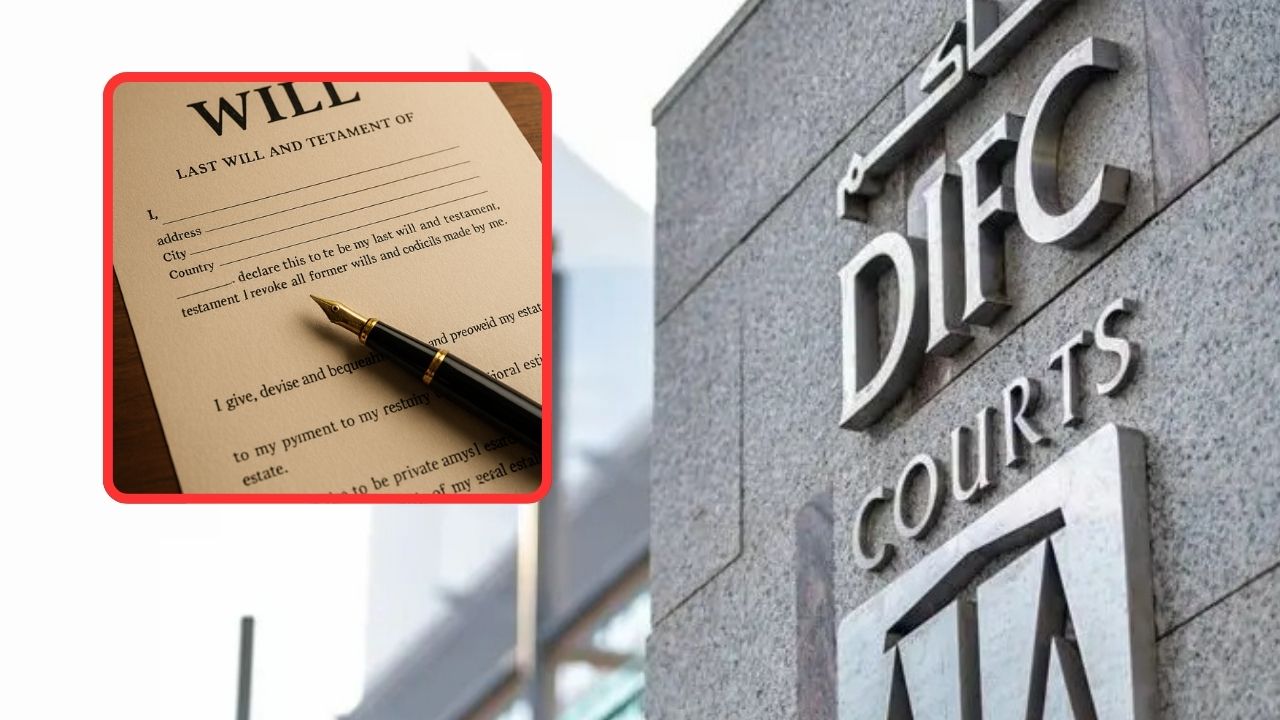
The DIFC Wills Service Centre operates under a common law system and conducts proceedings entirely in English. It is open to non-Muslims aged 21 and above and does not require UAE residency. Wills registered with the DIFC can cover assets across the UAE and include guardianship provisions for minor children living in Dubai or Ras Al Khaimah. Registration can be completed remotely through video appointments, but fees are higher compared to other options.
The Abu Dhabi Judicial Department offers a more affordable, fully digital route. Its Office for Non-Muslims’ Wills allows online submission, video-call notarization, and electronic issuance of wills in both English and Arabic. ADJD-registered wills are enforceable across all seven Emirates, making this option attractive for expatriates with assets in multiple locations.
Dubai Courts provide a civil law, Arabic-language process for non-Muslim wills. Applicants must hold a valid UAE residence visa and Emirates ID, and in-person notarization is generally required. While this option is more budget-friendly than the DIFC, it involves certified legal translation and longer processing times.
Officials advise expatriates to choose a registration route based on language preference, asset location, residency status, and guardianship needs. Legal experts also stress the importance of updating wills after major life events such as marriage, divorce, or property acquisition.
Non-Muslim expatriates in the UAE can legally secure their assets and guardianship wishes through official will registries, reducing uncertainty for families and ensuring personal wishes are respected under UAE law.