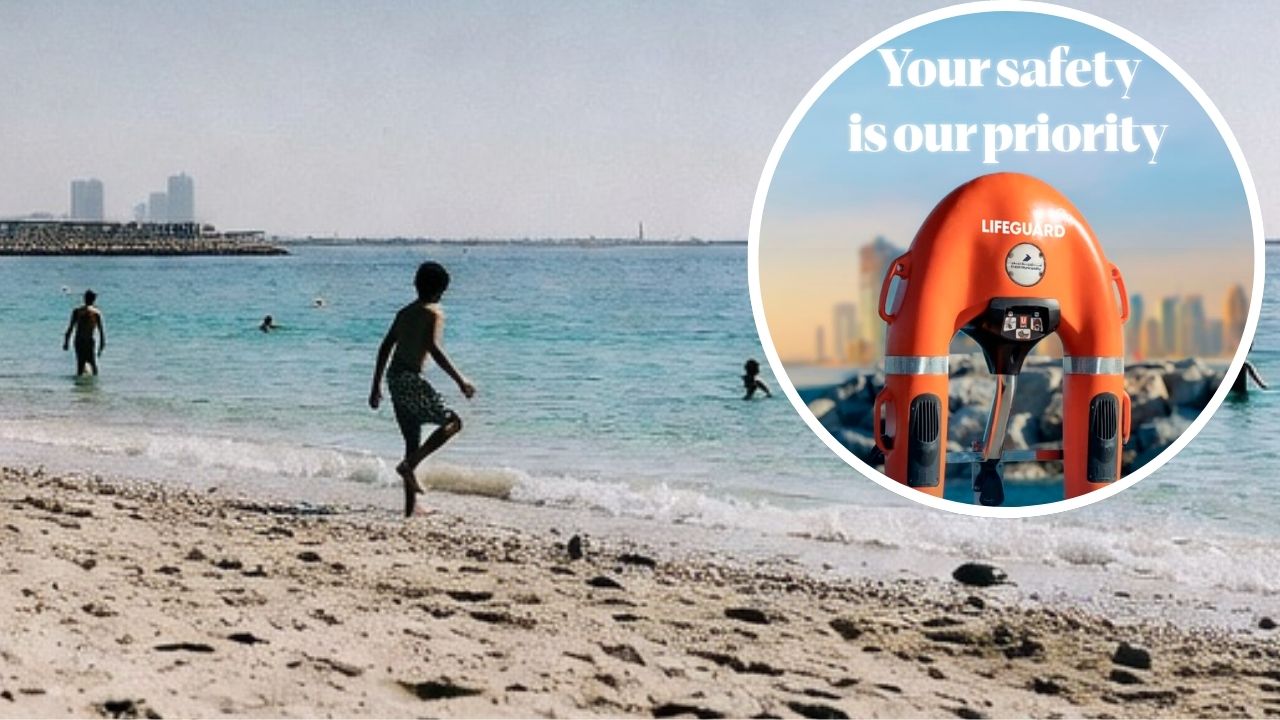
DUBAI: Beachgoers in Dubai may soon feel safer in the water, as Dubai Municipality rolls out a new AI-powered rescue system designed to respond faster during emergencies.
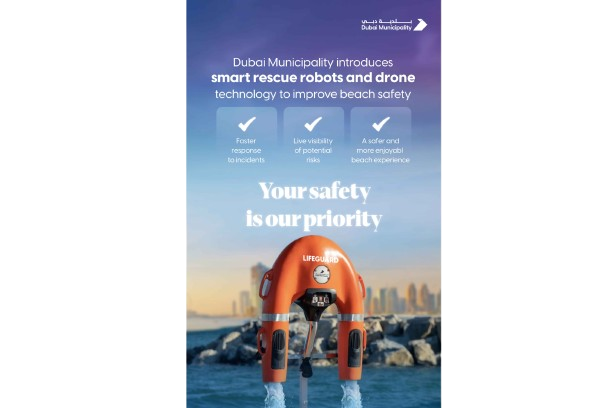
The initiative combines aquatic rescue robots and aerial water-rescue drones, marking a first in the Middle East and signaling a shift toward smarter, tech-driven public safety along the emirate’s coastline.
Contents
Faster Response During Emergencies
At the center of the system is an aquatic rescue robot that can move up to five times faster than a lifeguard swimming. It is remote-controlled and can:
-
Cover distances up to 1 kilometer
-
Carry or tow up to 500 kilograms
-
Operate even in rough sea conditions
This allows lifeguards to reach swimmers in distress quickly, while reducing the physical risk during rescue operations.
“Flying Lifebuoy” Adds Aerial Support
Supporting the robot is a water rescue drone, often described as a “flying lifebuoy.” It can:
-
Fly quickly to the scene
-
Land on water to provide flotation support
-
Send live video feeds to lifeguard teams
With real-time visuals, responders can assess risks faster and coordinate rescue efforts more effectively.
How the System Works Together
The robot and drone are part of a fully integrated safety system that includes:
-
Trained lifeguards on standby
-
Continuous beach monitoring
-
Centralized control systems for coordination
This setup allows Dubai Municipality to respond quickly across large beach areas, especially during time-sensitive incidents.
A Shift Toward Smart Safety
Officials say the move reflects a broader goal to make Dubai’s beaches safer and more advanced.
Bader Anwahi, CEO of the Public Facilities Agency, said the system combines speed, precision, and intelligent monitoring to improve both safety and visitor experience.
Dubai Municipality currently oversees major public beaches such as:
-
Umm Suqeim 1 Night Beach
-
Jumeirah 1, 2, and 3 Beaches
-
Al Mamzar Beach
All these areas are now supported by upgraded rescue systems and trained personnel.
What This Means for Residents
For residents and visitors, the change means faster emergency response and better protection in the water.
While lifeguards remain the front line, the addition of AI-powered tools helps reduce response time and improve outcomes during critical moments.
As more people visit Dubai’s beaches year-round, authorities say this system is part of a long-term effort to keep public spaces safe, modern, and ready for emergencies.