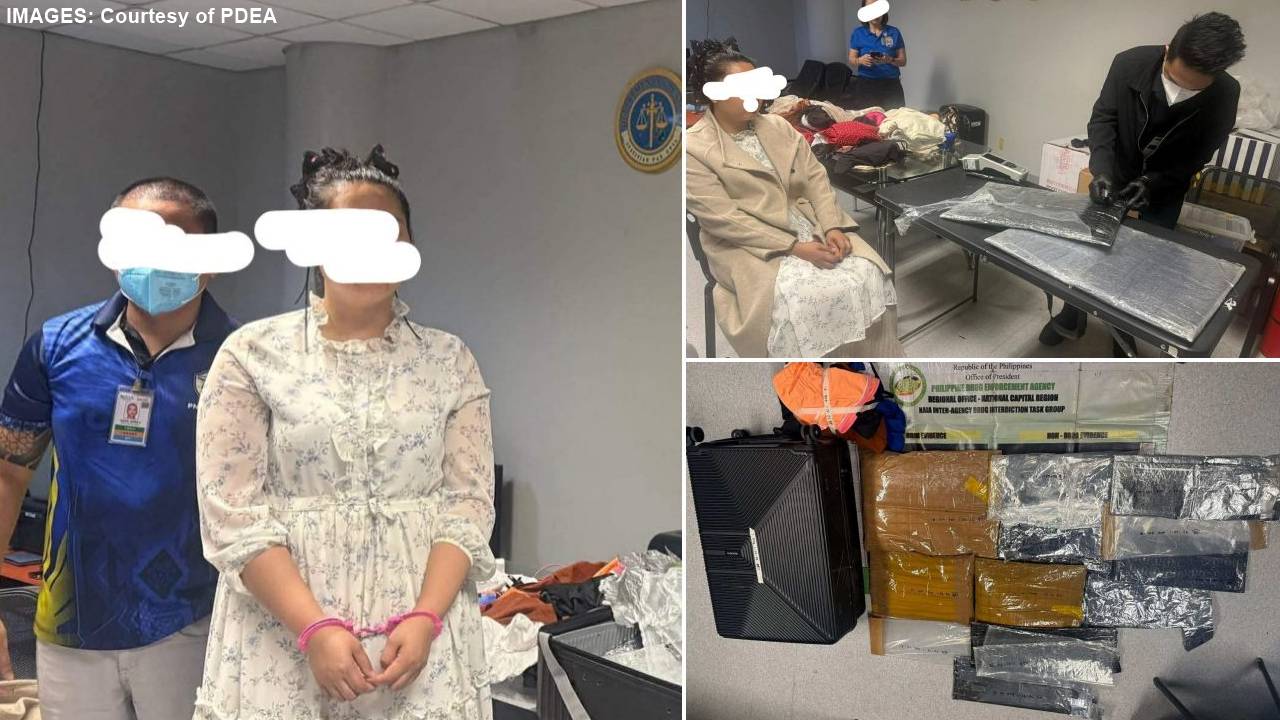
MANILA, PHILIPPINES – A 30-year-old overseas Filipino worker (OFW) was apprehended at the Ninoy Aquino International Airport (NAIA) Terminal 3 on Thursday night, January 22, after authorities discovered suspected cocaine valued at PHP 43.4 million in her luggage. The arrest underscores the intensified vigilance of Philippine airport authorities against international drug trafficking syndicates attempting to use OFWs as drug mules.
Also Read: 2 Passengers Bound for Taipei Offloaded After Making Bomb Joke t NAIA Terminal 3
This case serves as a strong reminder to all Filipinos, especially OFWs, about the severe risks and consequences of carrying illegal substances. Do not risk your future by allowing yourself or your luggage to be used for smuggling drugs or any prohibited items. Always check and be fully aware of every item in your possession before traveling. Your safety and freedom depend on making wise, lawful choices—never take chances with anything illegal.
Concealed Drugs Discovered
The suspect, identified only as “Vane,” works as a domestic helper and had just arrived in Manila from Sao Paulo, Brazil, via a connecting flight from Doha, Qatar. She landed around 7:20 PM when she was flagged for inspection.
During a routine check, authorities inspected her black luggage and discovered a false bottom—a hidden compartment designed to smuggle contraband. Inside, they found approximately 8.19 kilograms of a white powdery substance, which tested positive as cocaine.
In addition to the illegal drugs, law enforcement officers confiscated several personal items as evidence. These included her Philippine passport, boarding passes, two mobile phones, various identification cards, bank documents, and assorted foreign currency. All seized items were immediately turned over to the Philippine Drug Enforcement Agency (PDEA) Laboratory Service for forensic examination and safekeeping.
Inter-Agency Cooperation
The successful interception was the result of a coordinated effort by the NAIA Inter-Agency Drug Interdiction Task Group. This task force includes operatives from the PDEA, the Bureau of Customs, the Philippine National Police (PNP) Aviation Security Group, the PNP Drug Enforcement Group, the National Bureau of Investigation, and the Bureau of Immigration.
This collaboration highlights the strict security protocols currently in place at Philippine ports of entry to intercept illegal substances before they can be distributed within the country or transported elsewhere.
Severe Legal Consequences
The suspect was immediately taken into custody and is now facing serious criminal charges. She will be charged with violating the Comprehensive Dangerous Drugs Act of 2002 (Republic Act No. 9165). Under Philippine law, the importation of dangerous drugs carries severe penalties, including life imprisonment and hefty fines, regardless of the quantity involved.
This incident serves as a critical warning to all OFWs and travelers. Drug syndicates often target vulnerable migrant workers to transport illegal substances. Authorities continue to remind travelers never to accept luggage or packages from strangers and to be fully aware of the contents of their own bags at all times.