A proposed law in the Senate seeks to strengthen job security, wages, and health protections for workers in the business process outsourcing sector.
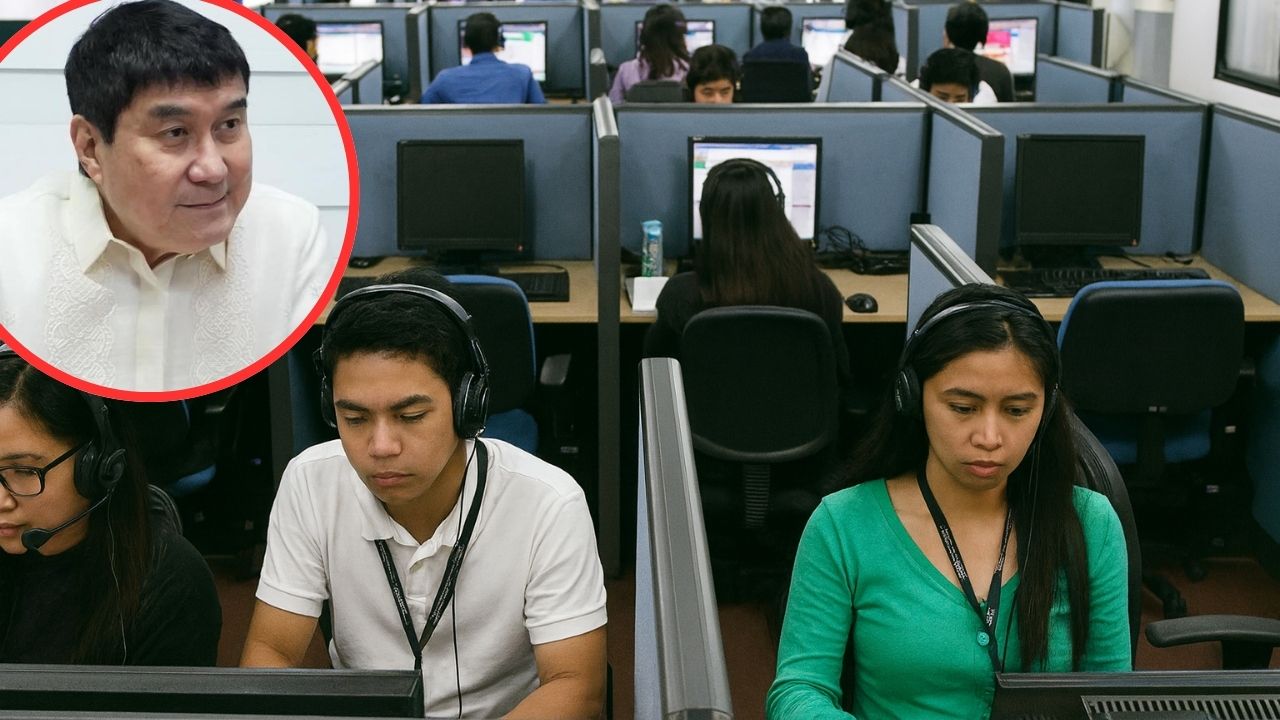
Senate Bill No. 1493, also known as the BPO Workers’ Welfare and Protection Act or the “Magna Carta for BPO Workers,” aims to set nationwide standards for working conditions in one of the country’s largest industries. According to the bill’s explanatory note, the BPO sector generated 38 billion US dollars in revenue and employs around 1.82 million Filipinos.
Lawmakers say the measure responds to long-standing concerns such as understaffing, heavy workloads, night shift stress, health risks, and limited job security.
Job security and employment status
Under the proposal, BPO workers must be regularized after a maximum of six months of probation or training. Training bonds that impose excessive fees would be banned. Employers would also be barred from terminating employees solely based on performance metrics or habitual absences without due process.
If workers are placed on floating status, companies must continue paying full wages for up to 12 months.
Higher wages and benefits
The bill sets a proposed entry-level minimum wage of ₱36,000. It also mandates automatic pay increases for upskilling, cross-skilling, and promotions.
Night differential pay would be 25 percent, while overtime would add 25 percent, or 30 percent on holidays and rest days. Workers would receive hazard pay equal to 30 percent of basic pay during severe weather and a ₱100 daily subsidy during national emergencies.
The measure also includes tax-exempt allowances of up to ₱120,000 and an annual appraisal worth at least 10 percent of the worker’s basic monthly wage.
Health, leave, and safety
The bill grants 30 days of paid leave each year, divided into 15 sick and 15 vacation days. It also provides emergency leave, 14 days of bereavement leave, and two days of paid menstrual leave per month.
Companies must provide free annual medical exams and health coverage of at least ₱400,000, extendable to two dependents. A resident psychologist must be available 24 hours due to the high stress nature of BPO work.
Safe transport, proper sleeping quarters, potable water, breastfeeding stations, and occupational safety committees would also be required.
The bill is still pending in the Senate. If enacted, it would standardize protections for BPO workers nationwide and reshape labor practices in a sector that plays a key role in the Philippine economy.