For years, the CV has been the first gatekeeper to jobs in the UAE. One or two pages. Job titles. Degrees. Years of experience. If your CV did not look right, many applications never went further.
However, that system is starting to shift.
This does not mean CVs are gone. It does not mean the UAE has changed any hiring laws. But it does signal a change in how employers make decisions, especially in fast moving and skills driven roles.
Contents
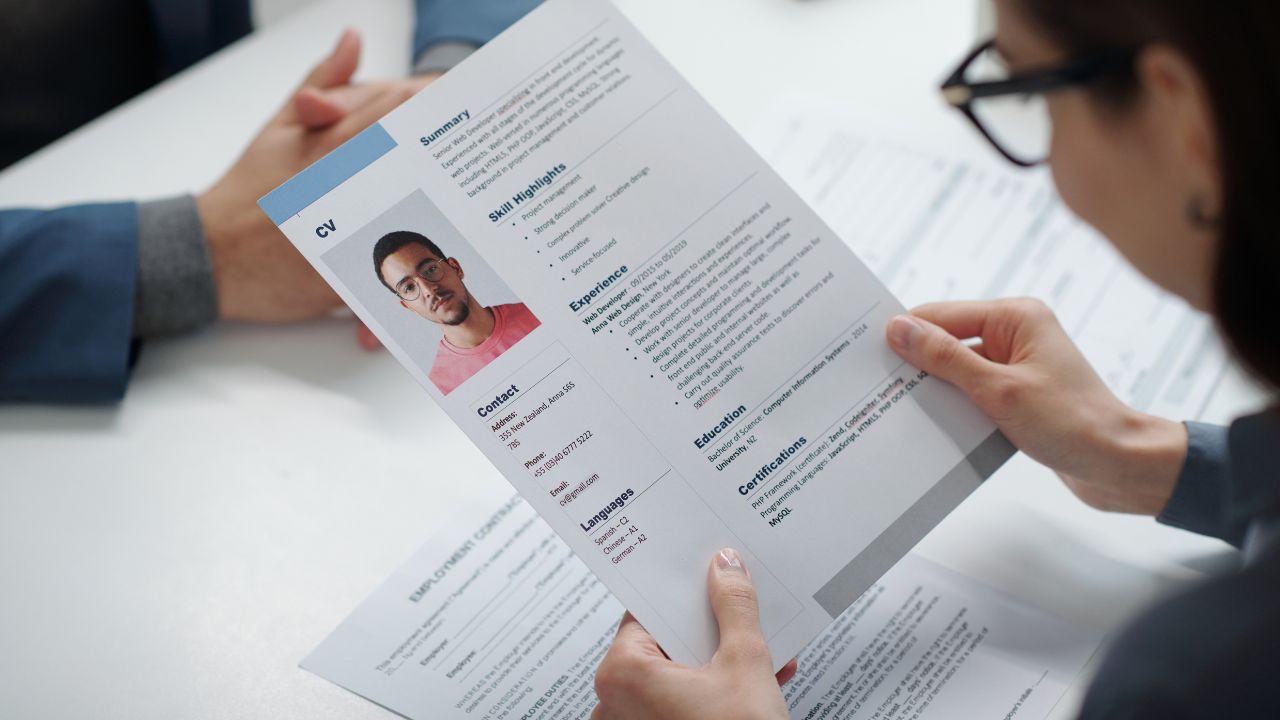
According to reports, more employers in the UAE are quietly changing how they hire. Instead of relying mainly on CVs, many are placing greater weight on skills, assessments, and what candidates can actually do.
What skills based hiring means
Skills based hiring focuses on ability over background.
Instead of asking only where you studied or how many years you worked in one role, employers look at:
- Practical skills you can demonstrate
- Tasks you can complete under real conditions
- Problem solving and adaptability
- Communication and teamwork
- Industry relevant tools or systems you already use
In many cases, employers still ask for a CV. But the CV becomes a starting point, not the final filter.
Why employers are moving this way
There are a few reasons this shift is happening now.
First, the UAE job market is highly competitive. Employers receive hundreds or even thousands of applications for a single role. Many CVs look similar, especially when templates and AI tools are used.
Second, job roles are changing faster than before. New tools, platforms, and systems appear every year. A degree or job title from five years ago does not always reflect current ability.
Third, employers are under pressure to hire faster. Skills tests, short assessments, or trial tasks often give clearer answers than reading pages of work history.
Which roles are most affected
Skills based hiring is not uniform across all industries. It is more common in roles where performance can be tested or observed.
These include:
- Technology and IT roles
- Digital marketing and content work
- Design, video, and creative jobs
- Customer support and operations
- Sales, especially inside or account based roles
- Project based or freelance work
In contrast, heavily regulated roles such as healthcare, aviation, or licensed professions still rely strongly on formal qualifications and certifications.
What this does not change
It is important to be clear about what is not changing.
The UAE has not removed CV requirements. Government entities, regulated sectors, and visa processes still rely on formal documentation.
Employers still verify education and work history. Degrees and experience still matter, especially for senior or specialized roles.
Skills based hiring does not replace legal requirements. It changes how employers shortlist and evaluate candidates, not the laws that govern employment.
How hiring processes are evolving
Instead of a single CV screening step, many employers now use a mix of methods.
These may include:
- Short online assessments
- Practical tests related to the role
- Scenario based questions during interviews
- Portfolio or work sample reviews
- Trial tasks for shortlisted candidates
For example, a content role may require writing a short sample. A customer service role may include role play questions. A tech role may involve a coding or system task.
These steps help employers see how a candidate performs, not just how they present themselves on paper.
Why this matters for job seekers
For many job seekers, especially expats and OFWs, this shift can be both challenging and helpful.
It can be challenging because a strong CV alone may no longer be enough. Candidates may be asked to prove their skills quickly.
But it can also be helpful. Skills based hiring can open doors for people who:
- Learned skills on the job
- Switched industries
- Took non traditional career paths
- Gained experience outside formal roles
In these cases, ability matters more than perfect credentials.
How to adapt without overhauling everything
This does not mean throwing away your CV.
Instead, job seekers can adjust how they present themselves.
Some practical ways to adapt include:
- Adding a skills section that lists tools, systems, or abilities you use
- Including brief results or outcomes instead of only responsibilities
- Preparing work samples or examples before interviews
- Practicing scenario based interview questions
- Keeping proof of completed projects or achievements
These steps support your CV rather than replace it.
A quiet shift, not a sudden change
This change is not happening overnight. It is gradual and uneven across industries.
Some employers have fully embraced skills based hiring. Others still rely heavily on CVs. Many fall somewhere in between.
What matters is awareness. Job seekers who understand this shift can prepare better and avoid being caught off guard during interviews or assessments.
What to watch next
This trend is likely to grow as companies compete for talent and adapt to faster business cycles.
Things to watch include:
- More skill tests during recruitment
- Greater use of short trial tasks
- More emphasis on portfolios and work samples
- Hiring decisions made earlier in the interview process
None of these replace legal hiring requirements. They simply change how employers choose between candidates.