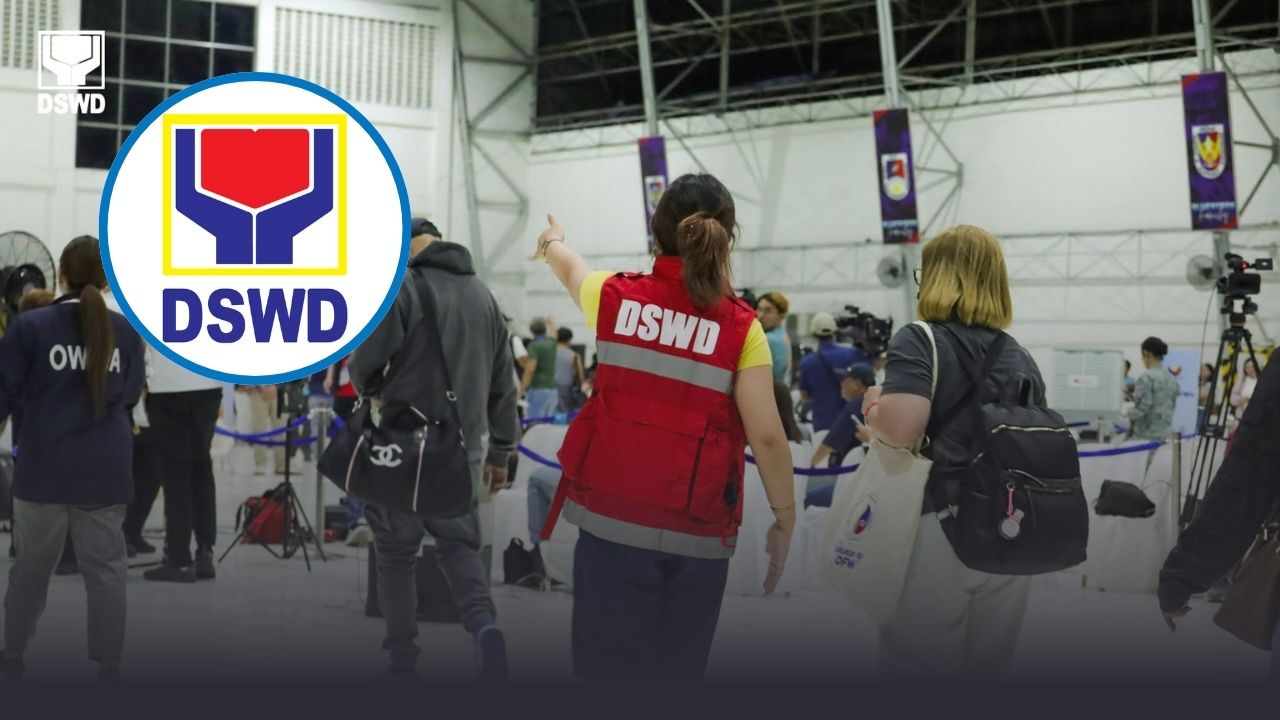
PHILIPPINES: The Department of Social Welfare and Development (DSWD) has extended support to over 2,500 overseas Filipino workers affected by the ongoing Middle East conflict, providing both financial aid and emotional support.
Most of those assisted are repatriated OFWs, while others were stranded abroad due to travel restrictions. The agency says help starts as soon as workers arrive or request assistance.
Contents
Who qualifies for DSWD assistance among OFWs?
DSWD assistance is mainly for OFWs who are affected by crisis situations, such as conflict, displacement, or sudden job loss.
Priority is given to:
- Repatriated OFWs
- Stranded workers abroad
- Those needing urgent financial, medical, or emotional support
Each case is evaluated based on need, not just employment status.
Are families of OFWs also eligible for support?
Yes. Families and dependents of OFWs may also receive assistance, especially if they are directly affected by the situation.
Support may include:
- Basic needs assistance
- Counseling services
- Coordination with local government units
The goal is to support the whole household, not just the worker.
Can undocumented OFWs receive help?
Yes. DSWD does not automatically exclude undocumented OFWs.
If they are affected by the crisis and need assistance, they can still receive help. The focus is on humanitarian support, especially during emergencies.
This aligns with the broader government approach led by the Department of Migrant Workers (DMW), which prioritizes safety over legal status during crises.
Is assistance available to all returning OFWs?
Not all OFWs automatically receive the same level of support. Assistance depends on assessment.
However, most returning OFWs affected by the conflict can expect:
- Psychosocial first aid
- Initial financial assistance
- Referral to livelihood and reintegration programs
Support is prioritized for those in urgent need.
How does DSWD assess who gets support?
DSWD social workers assess each OFW upon arrival or during coordination abroad.
They look at:
- Financial condition
- Health status
- Family situation
- Immediate needs
This assessment helps determine the type and level of assistance each person receives.