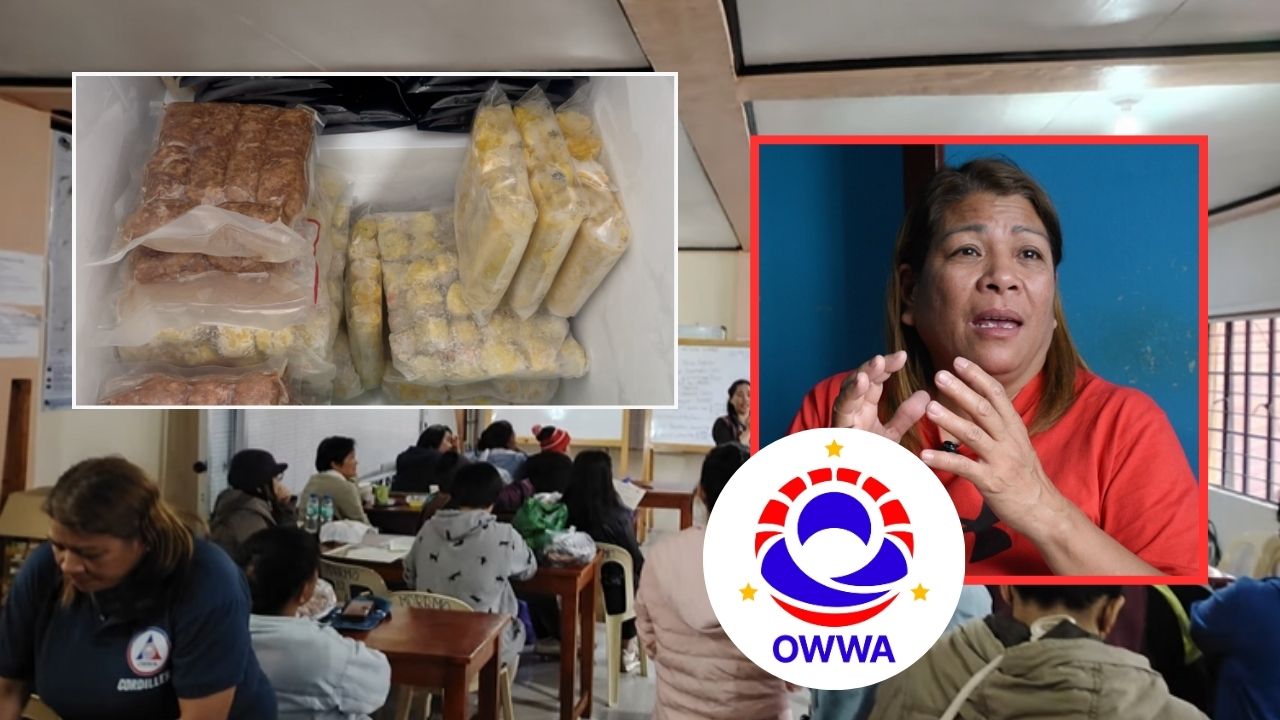
PHILIPPINES: For former overseas Filipino worker Nenita Sambajon, returning to the Philippines during the pandemic was not the end of her working life. It became the start of a new business.
Nenita spent nine years as a domestic worker in the United Arab Emirates and another 12 years in Hong Kong. Her husband also worked in the UAE for 20 years before coming home for good when COVID 19 affected many workers abroad.
When Nenita returned home, she asked herself a practical question many OFWs face: how would they earn a living in the Philippines?
Her answer was simple but brave. She started making frozen goods.
Contents
From P3,000 Capital to First Customers
Nenita began with only P3,000 as capital. She cooked her own products and asked neighbors to taste them.
Her first customers were nearby residents and friends. From there, her frozen goods reached more people through word of mouth.
Her products later included longanisa, lumpiang shanghai, and tocino. These are familiar Filipino food items, which helped her connect with local buyers.
OWWA Assistance Helped the Business Grow
A friend encouraged Nenita to seek help from the Overseas Workers Welfare Administration Cordillera. She applied for the Balik Pinas, Balik Hanapbuhay Program, also known as BPBH.
After qualifying, she received P20,000 in cash assistance. She used the money as added capital for her business.
Her husband also became a beneficiary of the same program, and the assistance he received was also invested in their growing livelihood.
Nenita said the support from OWWA helped them start and expand. She also shared that OWWA became one of her early supporters and later helped introduce her products to other offices.
Training Added Skills, Not Just Capital
Nenita did not rely on financial aid alone. She also joined trainings from OWWA and other government agencies, including the Department of Trade and Industry and the Department of Migrant Workers.
These trainings helped her improve her meat processing skills and understand how to manage the business better.
Today, OWWA also taps Nenita as a trainer for skills training programs for OFWs and their families in the region.
What Returning OFWs Can Learn
Nenita’s story shows that reintegration is not only about coming home. It is also about finding a way to rebuild income, confidence, and purpose.
Under BPBH, OWWA provides livelihood assistance for returning member OFWs. OWWA CAR said the maximum aid is P20,000 for active members who returned home. Inactive members may receive lower amounts depending on their membership record.
Nenita’s advice to returning OFWs is to stay strong, patient, and consistent. For her, coming home does not mean life is over. With effort and support, a new chapter can still begin.