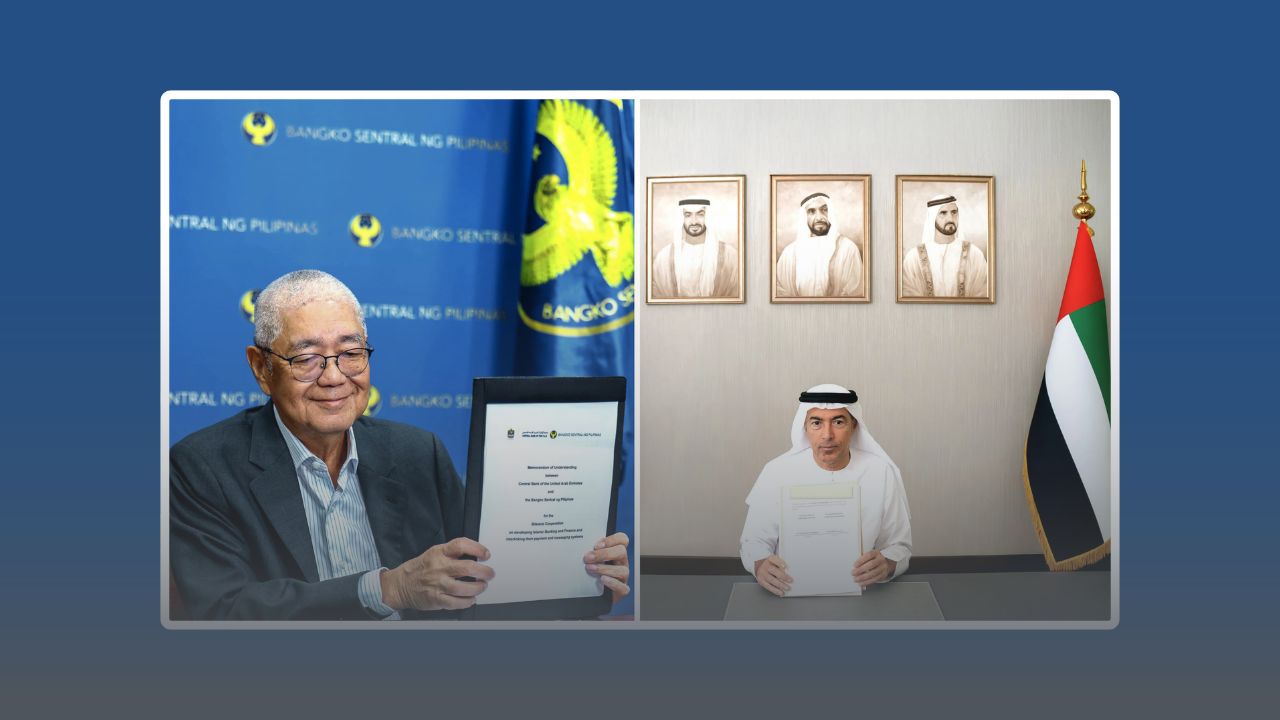
ABU DHABI / MANILA: The Central Bank of the UAE and Bangko Sentral ng Pilipinas have signed a new agreement to improve how money moves between the UAE and the Philippines.
The goal is simple: make cross-border payments faster, safer, and more efficient—especially for overseas Filipino workers.
Contents
Will sending money from UAE to Philippines become faster and cheaper?
That is the target.
Both central banks plan to connect their instant payment systems. If done, transfers could move closer to real-time, with fewer middle steps. Fewer steps often mean lower fees and faster delivery to families in the Philippines.
How does this agreement affect OFWs and their remittances?
For OFWs, this could mean quicker padala and more reliable services.
The BSP said the deal supports its push to digitalize payments. For workers in the UAE, this may lead to:
- Faster transfers to bank accounts or e-wallets
- More choices of remittance channels
- Better tracking and security of transactions
- When will the new payment system between UAE and PH start?
There is no exact launch date yet.
The agreement is a framework. It sets the direction, but both sides still need to build and test the system. Updates are expected as technical work moves forward.
What changes should users expect in bank transfers and apps?
In the future, users may see:
- Near real-time transfers between UAE and PH banks
- Smoother app experiences with fewer delays
- Possible links between national card systems and payment networks
This could also benefit platforms like digital wallets, as systems become more connected.
What is the real benefit of this UAE–Philippines financial deal?
The biggest benefit is convenience and cost savings.
Beyond remittances, the agreement also includes:
- Sharing knowledge on digital currencies (CBDC)
- Cooperation in fintech and open finance
- Growth of Islamic banking services
All of these aim to build a stronger, more modern financial system between the two countries.