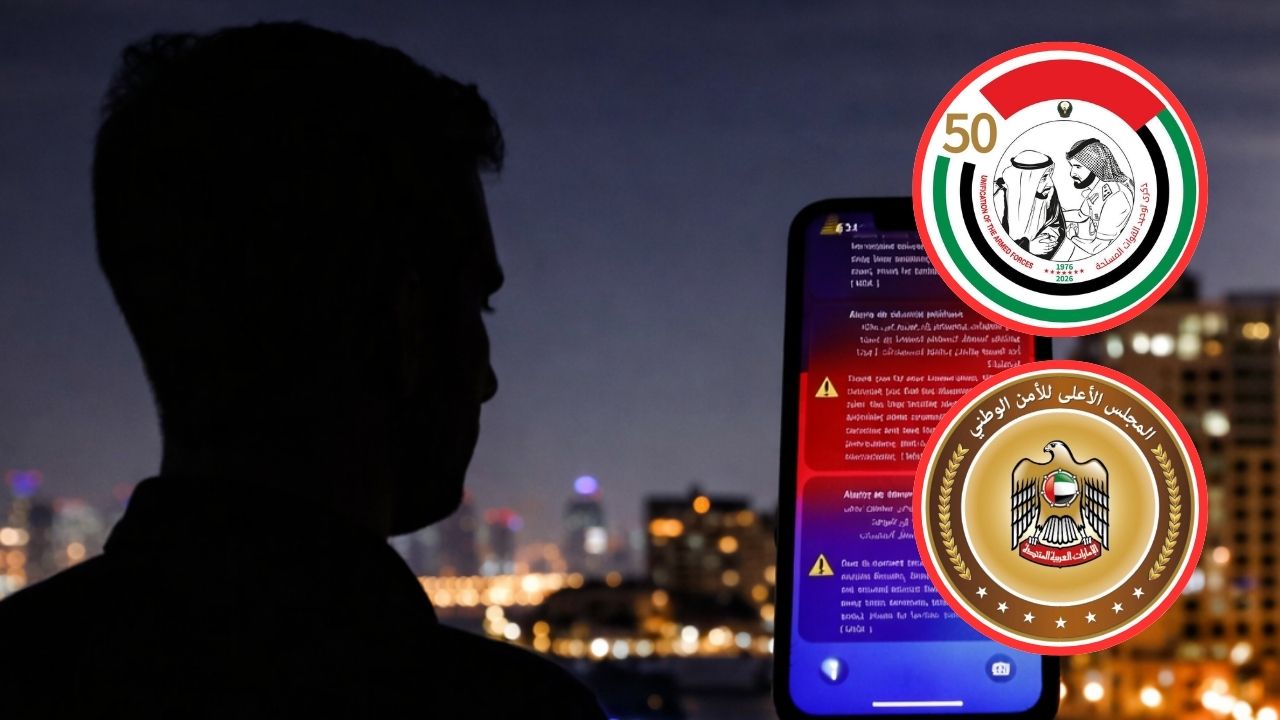
DUBAI: Some UAE residents heard emergency alerts on their phones on May 4, while others did not. For many, the sound was alarming. But officials say the alert system is designed to warn only people in areas that may be affected by a specific threat.
The UAE uses an Early Warning System to send safety messages during emergencies. These alerts may be used during missile or drone threats, extreme weather, flash floods, or other risks that need quick public action.
Contents
Alerts Are Sent Based on Location
According to the National Emergency Crisis and Disaster Management Authority, or NCEMA, the system works by geographic location. This means alerts are sent only to selected areas, depending on the place, type, and size of the danger.
For example, if an incident affects one area, phones in that area may receive a warning. People in other areas may not get the same message because they are not in the risk zone.
Not receiving an alert does not always mean the system failed. It may simply mean the person’s phone was outside the selected warning area at the time.
Why Some People Hear the Sound and Others Don’t
Whether someone receives an alert can depend on the phone’s location when the message is sent. Emergency alert settings on the device may also affect how the message appears.
In some cases, residents near affected locations may hear sounds linked to defence operations, even if they do not receive a phone alert. This can happen when sound travels from nearby areas.
Officials said the system is meant to send warnings at the right time and to the right people, instead of alarming the whole country when only certain locations are affected.
Different Alert Sounds May Be Used
The UAE also uses different alert tones depending on the time of day. From 9 a.m. to 10:30 p.m., a high-tone alert may be used. A normal message tone may follow once the situation is over.
From 10:30 p.m. to 9 a.m., the system uses a standard message tone for both the warning and the all-clear message.
Visitors Can Receive Alerts Too
The system uses cellular broadcast technology. This allows alerts to reach mobile devices inside a chosen area, even if the SIM card belongs to a visitor.
This means tourists, residents, and expats can receive public warnings if their phones are inside the affected zone.
What Residents Should Do
When an alert is received, residents should read the message carefully and follow the instructions.
These may include staying indoors, avoiding certain areas, driving with caution, or waiting for an all-clear message.
For now, residents and visitors should treat UAE emergency alerts as official safety instructions, not ordinary phone notifications. The goal is simple: warn the right people quickly when action or awareness is needed.