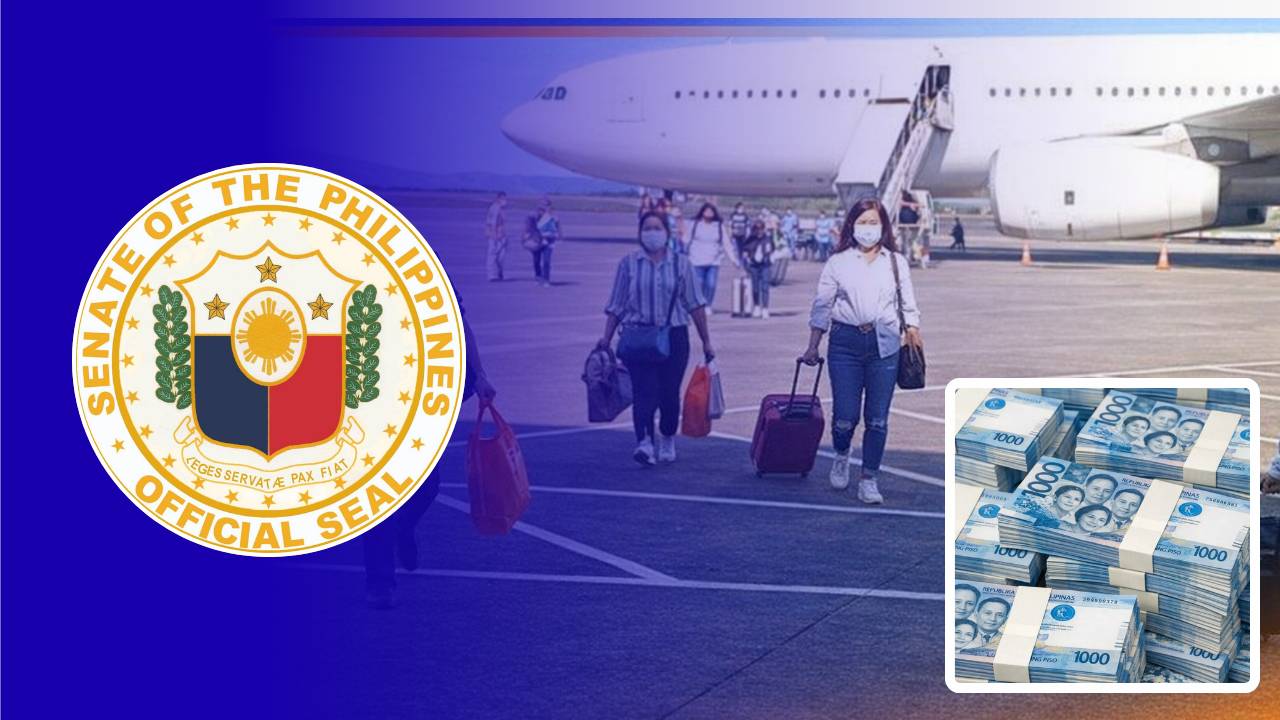
PHILIPPINES: The cost of bringing home Overseas Filipino Workers (OFWs) has allegedly surged to around ₱190,000 per person, nearly double the previous amount, based on findings from a Senate panel. This sharp increase comes as tensions in the Middle East continue to disrupt travel and raise global costs.
Government agencies warn that funds for emergency repatriation may run out faster than expected if the crisis worsens.
Contents
What causes the high cost of bringing OFWs home?
Officials say two main factors are driving the spike in costs:
- Higher airline ticket prices due to limited flights and increased demand
- Expanded insurance coverage required for workers in conflict zones
Because of these, repatriation costs rose from below ₱100,000 before the crisis to about ₱190,000 today.
These expenses also include transport, logistics, and support services once OFWs arrive in the Philippines.
How much funding is needed if more OFWs are evacuated?
The government is facing a serious funding challenge.
- Around 2.4 million Filipinos are in the Middle East
- If just 1% (24,000 OFWs) need evacuation
- The total cost may reach ₱4.8 billion
This amount could quickly drain existing funds meant for emergencies.
So far, about 20% of the ₱1.6 billion repatriation fund has already been used just weeks into the crisis.
What is the Senate doing about rising OFW repatriation costs?
Lawmakers are now pushing urgent solutions.
Senator Sherwin Gatchalian recommended:
- Using the government’s contingency funds
- Approving a supplemental budget to support repatriation
Other proposals include larger funding support, with some senators pushing billions more to strengthen evacuation efforts and protect OFWs.
The goal is to ensure the government can respond quickly if more Filipinos need to be brought home.
What is the Bagong Balikbayan Act?
Beyond emergency funding, the Senate is also focusing on long-term support.
The proposed Bagong Balikbayan Act aims to:
- Provide full-cycle support for OFWs
- Cover help before deployment, during work abroad, and after returning home
- Offer programs like skills training, jobs, and livelihood support
Lawmakers say this will help returning OFWs rebuild their lives and reduce long-term financial struggles.
The current situation
Despite rising costs, repatriation efforts continue.
Recent reports show hundreds of Filipinos, including OFWs, have already been brought home through government-chartered flights as the situation in the Middle East remains uncertain.