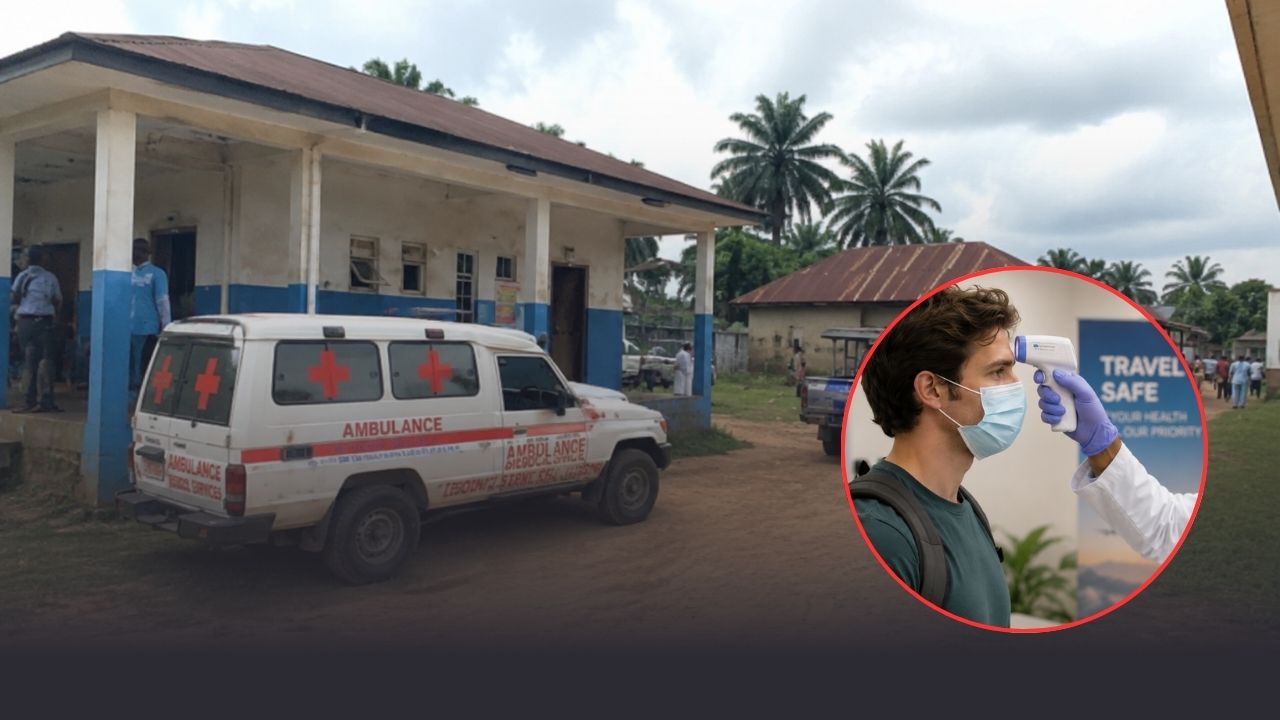
WORLD: The World Health Organization has declared the Ebola outbreak in the Democratic Republic of the Congo and Uganda a Public Health Emergency of International Concern after cases spread across borders and deaths rose in affected areas.
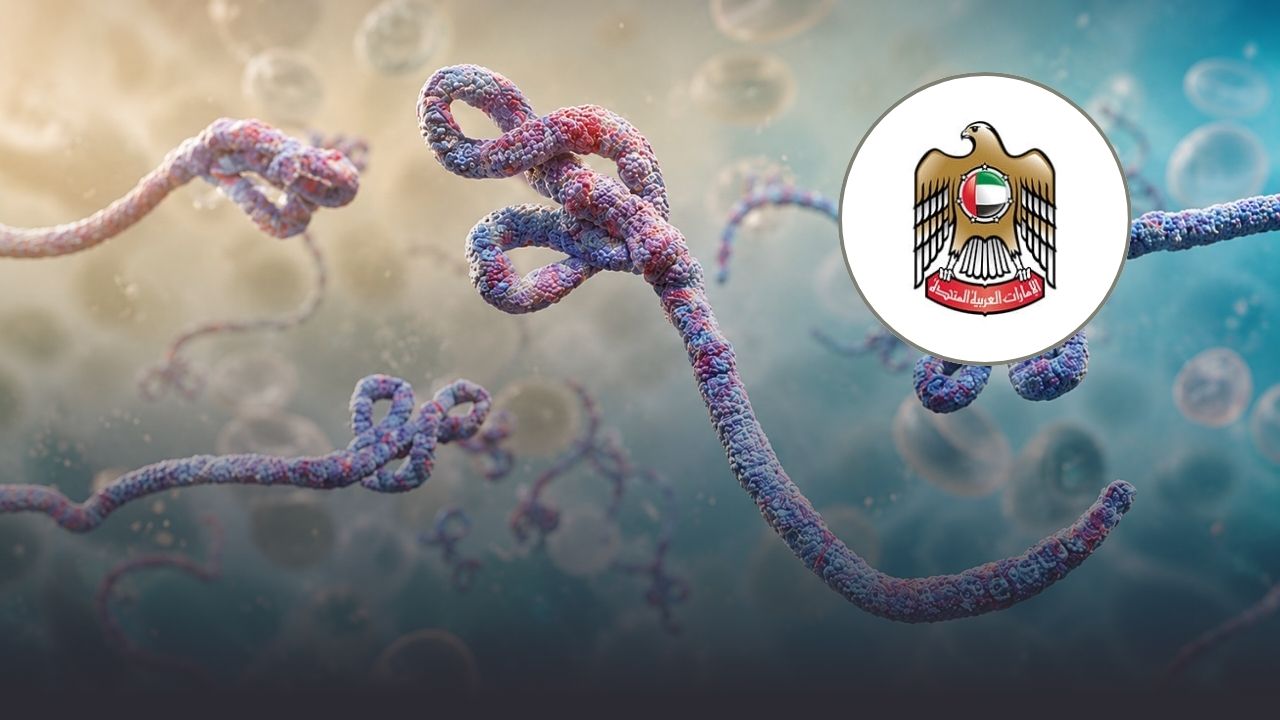
The outbreak started in eastern DRC’s Ituri Province and involves the rare Bundibugyo strain of Ebola. WHO said this is a serious international health alert, but it is not a pandemic emergency.
Contents
Cases First Seen in a Busy Mining Area
According to the report, the outbreak began in Mongwalu, a busy mining area in Ituri. A nurse who developed Ebola-like symptoms on April 24 has been linked as the first known suspected case. The nurse later died at a medical center in Bunia.
As of May 16, WHO reported eight laboratory-confirmed cases, 246 suspected cases, and 80 suspected deaths in DRC’s Ituri Province. The affected health zones include Bunia, Rwampara, and Mongbwalu.
Uganda also reported two confirmed cases in Kampala among travelers from DRC, including one death. This means the outbreak has already crossed a national border.
Why the Bundibugyo Strain Is Harder to Control
The Bundibugyo strain is less common than the Zaire strain of Ebola. WHO said there is no licensed vaccine or specific treatment for this strain, though early supportive care can still help save lives.
Ebola spreads through direct contact with body fluids, such as blood, vomit, semen, or materials touched by an infected person. A person becomes contagious after symptoms appear, not before. Symptoms may include fever, vomiting, diarrhea, severe weakness, muscle pain, and bleeding in serious cases.
Health Workers and Border Areas Face Higher Risk
WHO is concerned about community deaths, suspected spread in health facilities, and deaths among health workers. These are warning signs that infection control may need to be strengthened fast.
The response is also harder because Ituri has insecurity, weak health services, and many people moving between towns and borders. WHO warned that nearby countries are at high risk because of travel, trade, and population movement.
What UAE Expats Should Know Before Travel
For UAE residents, this is mainly a travel awareness update. There is no general change to daily life in the UAE based on the current information.
However, anyone traveling to DRC, Uganda, or nearby countries should monitor official health and travel advisories. Avoid contact with sick people, body fluids, and funeral practices that involve touching the body.
What Happens Next
WHO is urging affected and nearby countries to improve testing, isolate confirmed cases, monitor contacts, protect health workers, and strengthen border screening. It also advised against full border closures because these may push people to use informal crossings, making the outbreak harder to track.